Ball Bearings
Explainer: How C40 Grade Affects Ball Bearing Interchangeability
A bearing tolerance grade defines the dimensional limits of a bearing. The C40 class sets specific limits for bore and outer diameter. These limits determine
Practical guides on ball bearing types, applications, and selection for reliable industrial machine performance.
A bearing tolerance grade defines the dimensional limits of a bearing. The C40 class sets specific limits for bore and outer diameter. These limits determine
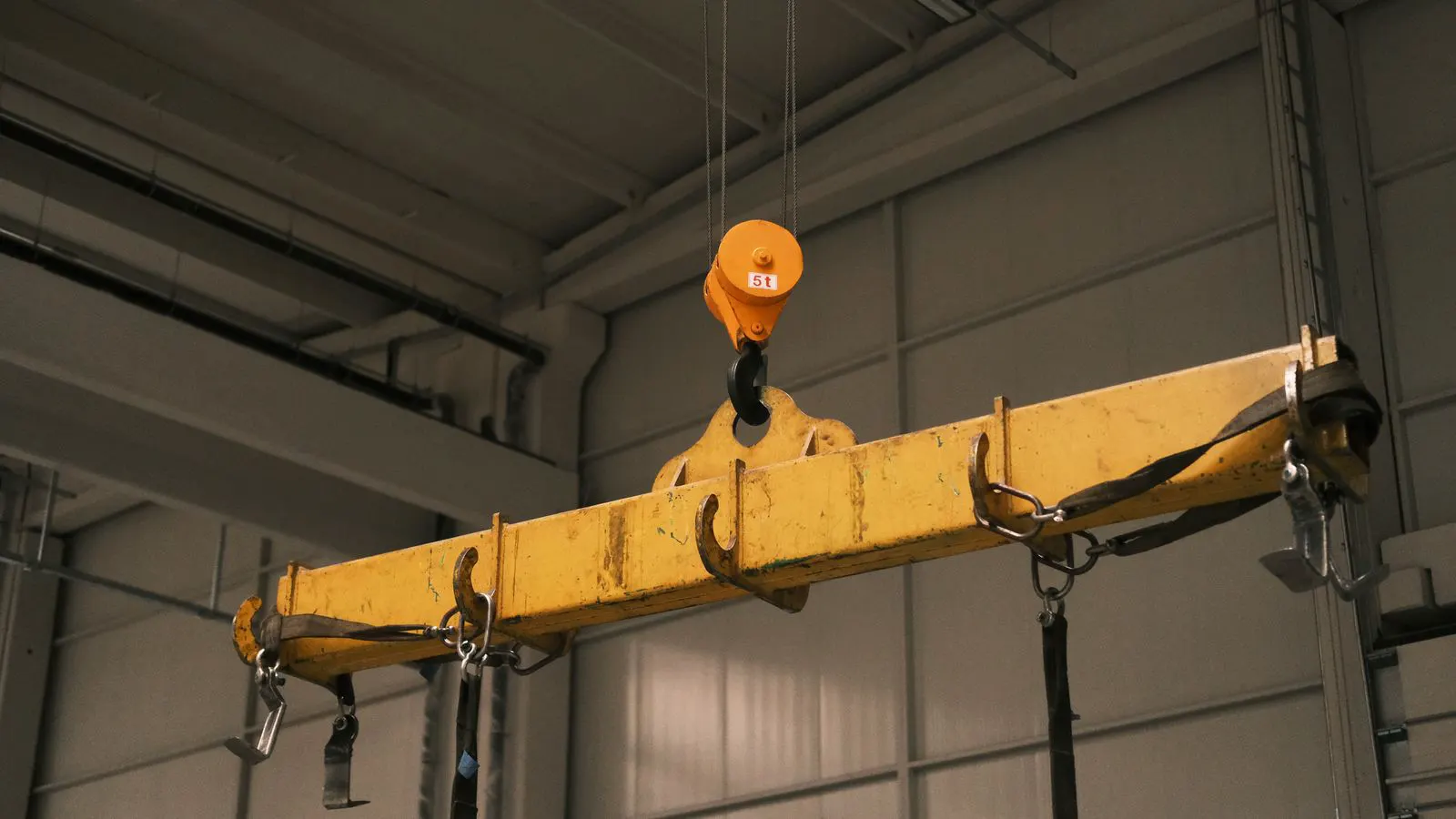
Spindle heat and vibration usually point to incorrect bearing preload or excessive runout. This guide lists symptoms, identifies likely causes, and provides fixes to
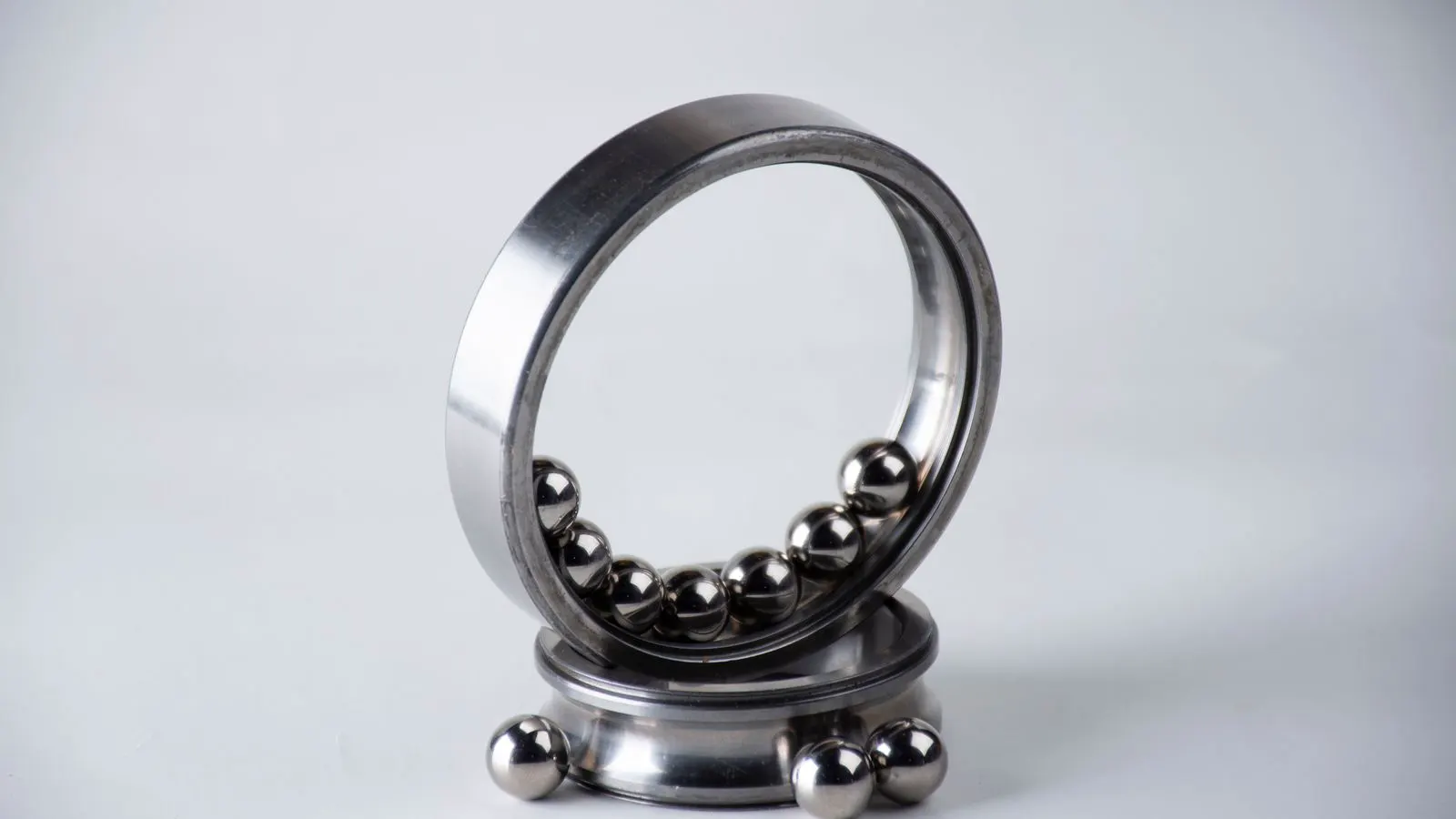
Ball bearings handle lighter radial and axial loads efficiently, while roller bearings support heavier radial loads with higher contact area. Engineers must match

Bulk ball bearing costs and lead times are driven by material, size, quantity, and shipping. Buyers must standardize specifications and issue clear RFQs to compare
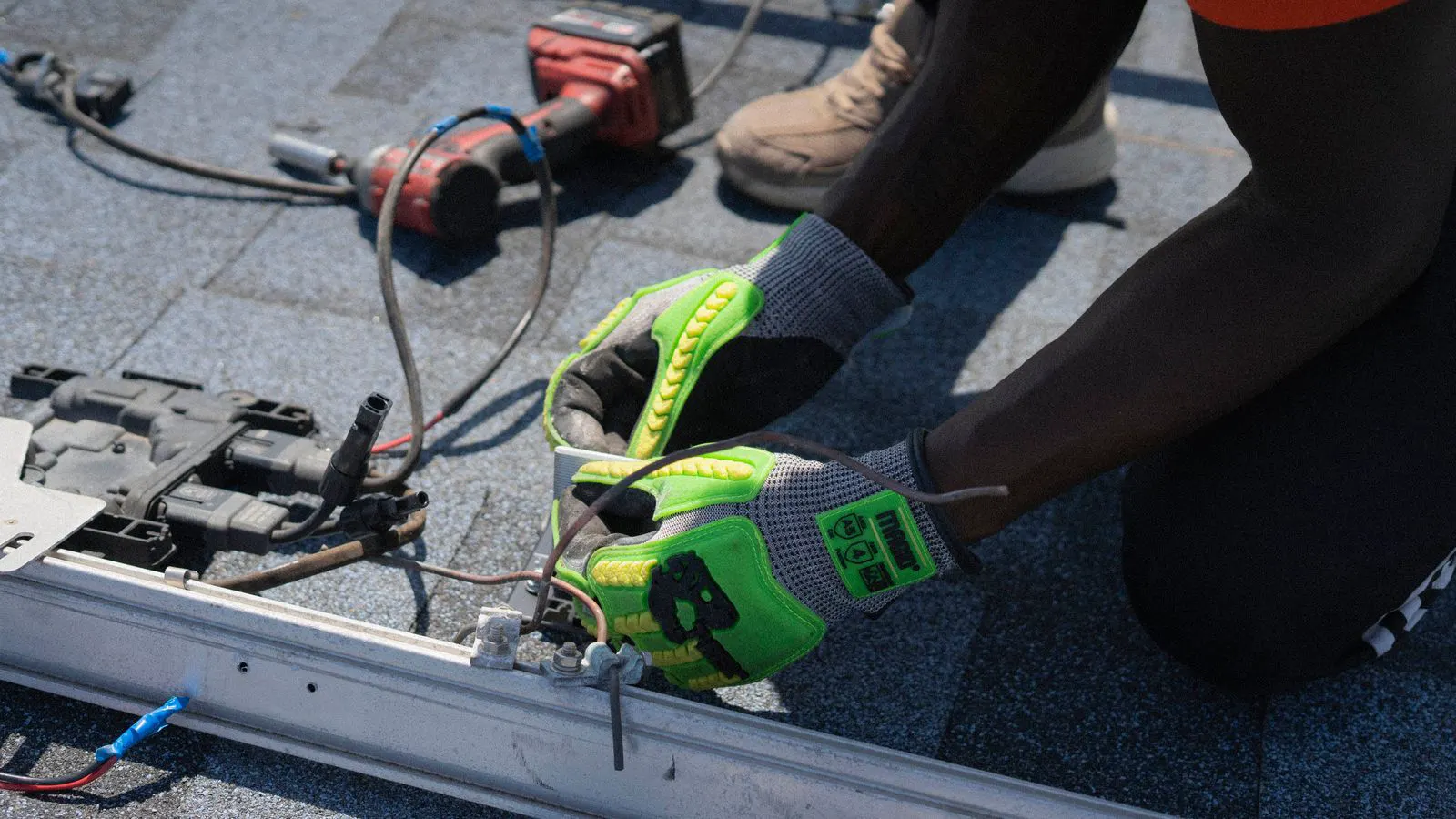
Correct bearing installation prevents premature failure in industrial machines. This guide covers the prerequisites, step-by-step process, and common errors. It explains
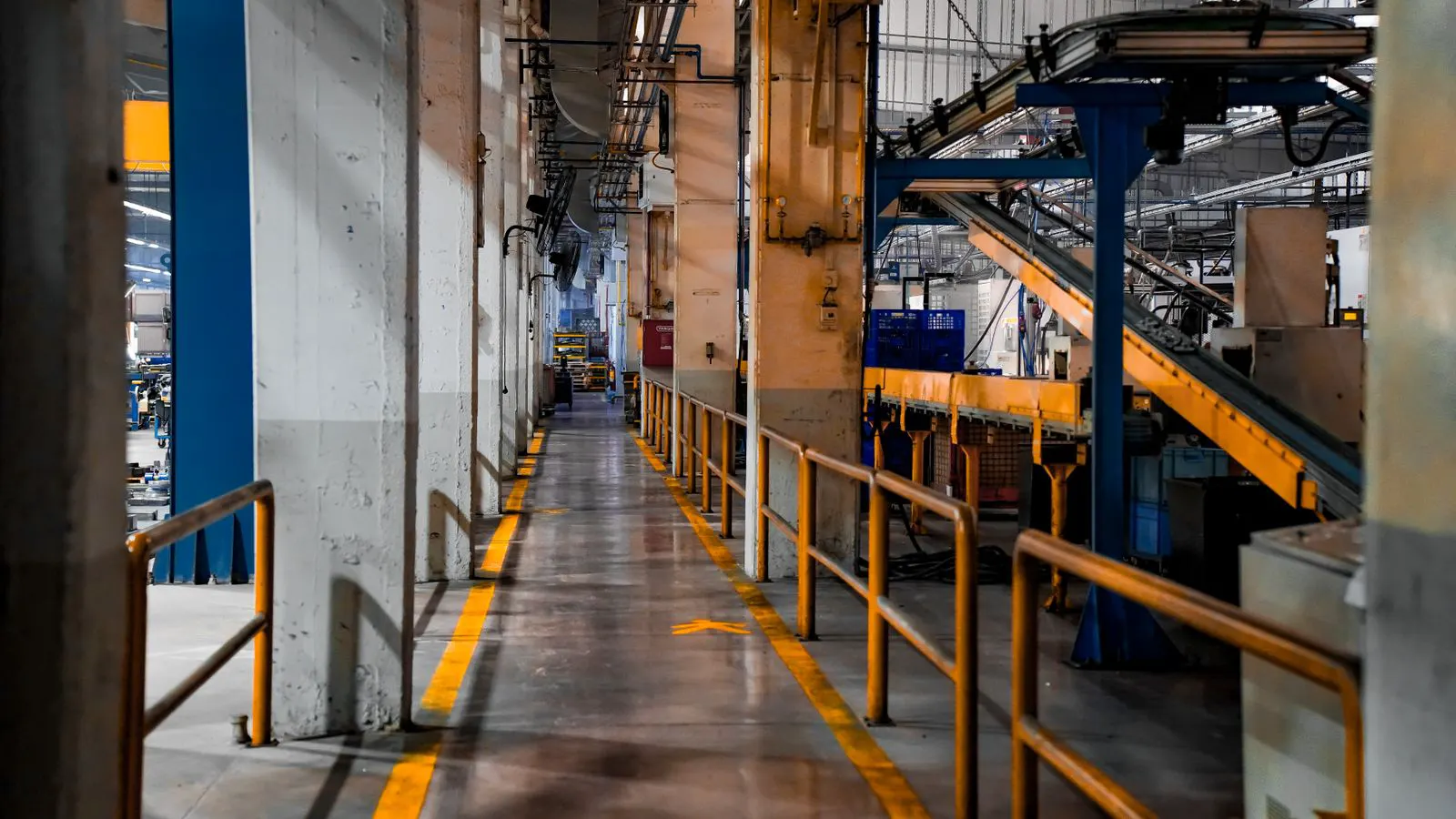
This guide explains how buyers should evaluate deep groove ball bearings for conveyor systems. It covers load ratings, materials, sealing, and supplier verification to
Radial load is the force perpendicular to the shaft. It determines the number of revolutions a ball bearing can sustain before failure. Engineers must match radial load

The future of industrial ball bearings is defined by material science and structural design changes. This article outlines six key shifts in bearing materials and

Bearing noise in high-speed pumps usually points to lubrication issues, misalignment, or early surface damage. This guide provides a practical diagnosis table and
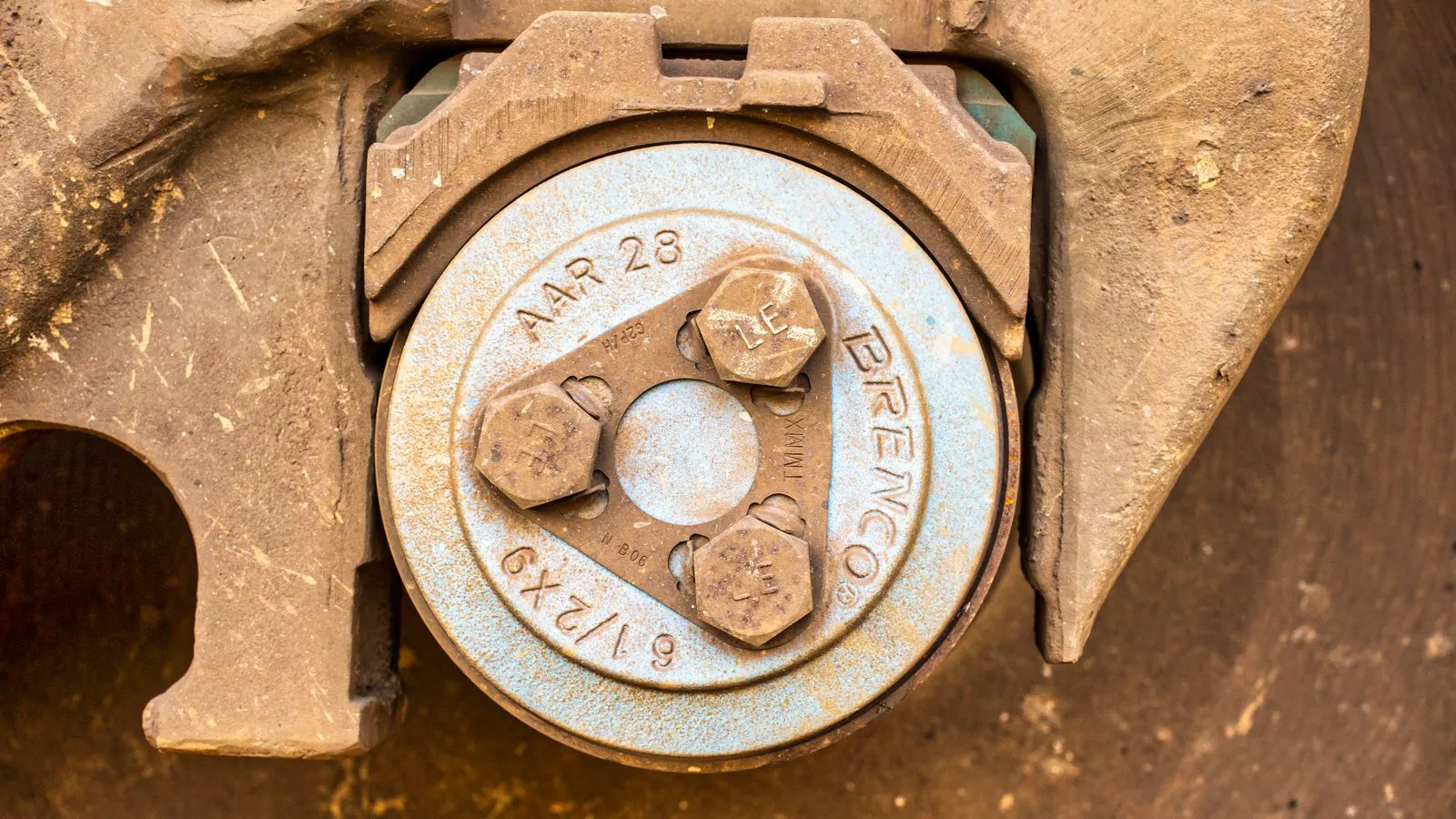
A structured checklist verifies load capacity, speed limits, mounting interfaces, protection, and material compatibility. This audit prevents premature failure in