Failure Analysis
Buyers Guide: Sealed vs Shielded Bearings for Wet Plant Areas
Sealed bearings offer full contamination protection at the cost of higher friction and heat, while shielded bearings allow lubricant escape but require cleaner
Technical bearing guidance for industrial buyers and engineers
Selecting a bearing means balancing load ratings, service life, temperature limits, and cost. This site covers the technical decisions behind those choices, from ball bearing selections to roller bearing applications and seal compatibility.
You will find plain-language explanations of materials, lubrication practices, maintenance intervals, and failure modes. The content is written to support procurement teams and engineers who need to verify specifications, check supplier documentation, and make defensible purchasing decisions.

Start with the stage of the sourcing process you are in.
Practical guides on ball bearing types, applications, and selection for reliable industrial machine performance.
Expert insights into roller bearing technology, load capacity, and maintenance for high-demand industrial systems.
Detailed analysis of bearing materials and sealing solutions to enhance durability and protect against contamination.
Actionable strategies for lubrication and maintenance routines that extend bearing life and ensure operational stability.
In-depth breakdowns of common bearing failure modes and root cause analysis for effective troubleshooting and repair.
Clear explanations of industry standards and quality control practices that guide bearing procurement and compliance.
Practical criteria for evaluating bearing suppliers, including reliability, support, and long-term technical partnership.
Sealed bearings offer full contamination protection at the cost of higher friction and heat, while shielded bearings allow lubricant escape but require cleaner
To verify bearing supplier certification, request the physical certificate, confirm the registrar via their public database, cross-check the product scope, and review
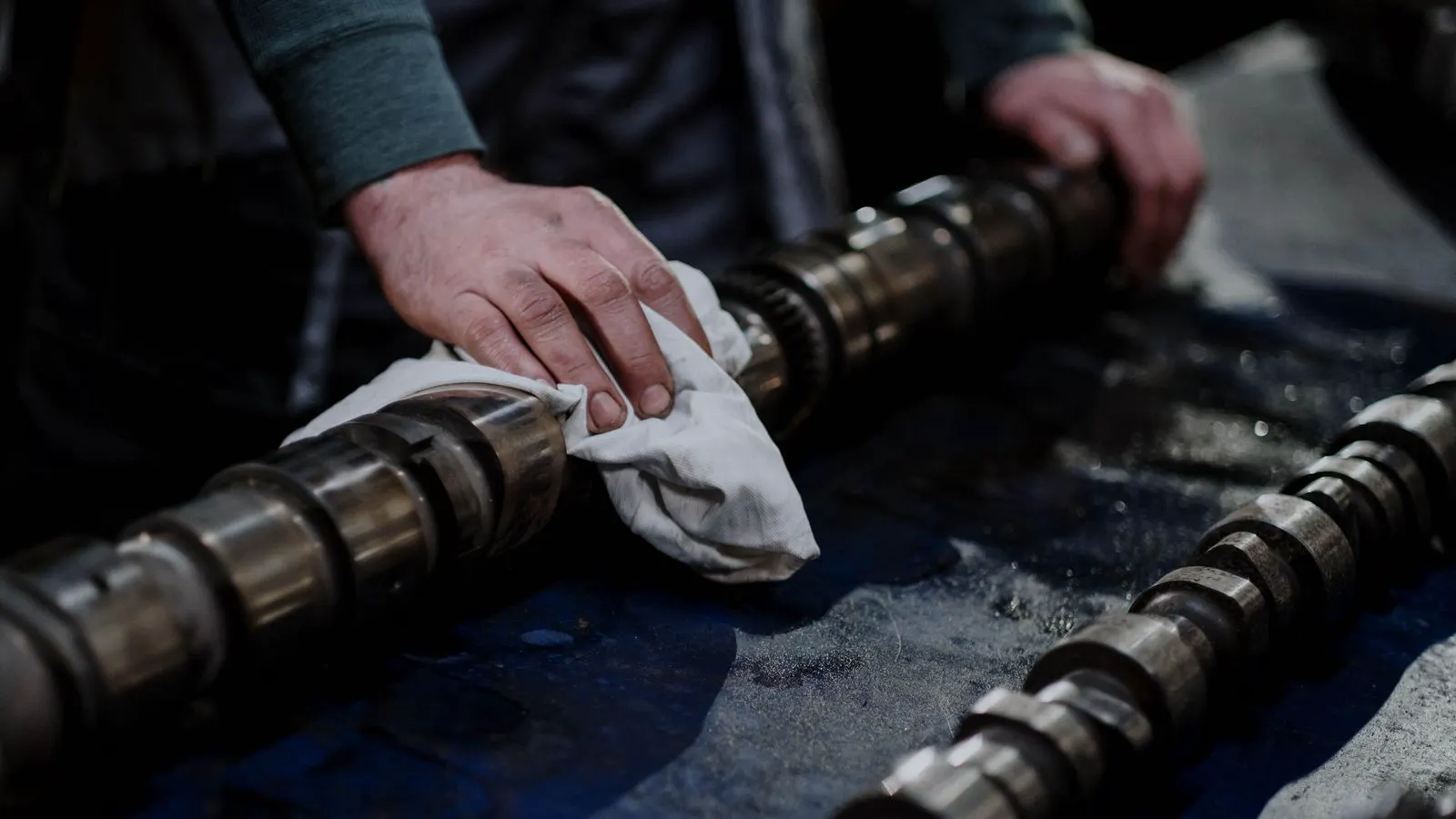
Premature bearing failure is usually traced to lubrication breakdown, misalignment, or contamination. Engineers can identify root causes through surface inspection and
A structured checklist verifies load capacity, speed limits, mounting interfaces, protection, and material compatibility. This audit prevents premature failure in

Abnormal bearing noise in roller assemblies often signals misalignment, lubrication failure, or surface defects. This guide outlines a structured diagnostic process and

To verify bearing ISO 9001 certification, you must cross-check the certificate against the supplier's scope, confirm the certification body's accreditation, and review
To select bearing seals for high-heat applications, match the seal material and lip design to your maximum operating temperature. Consider thermal expansion, lubricant
Ball bearings suit moderate radial and axial loads with high speed. Roller bearings handle higher radial loads and are better for heavy or shock-loaded applications. Check the load spectrum, speed, and housing space before deciding.
Seals keep lubricant inside and keep contaminants out. The wrong seal type can cause overheating, dry running, or contamination ingress. Match the seal to the operating temperature and environment.
Lubrication intervals depend on the bearing type, operating speed, temperature, and lubricant. Grease-filled bearings may need relubrication only after many operating hours. Oil-lubricated systems often need more frequent checks. Follow the bearing manufacturer guidance and monitor for signs of degradation.
Typical failures include spalling from fatigue, brinelling from improper installation, corrosion from moisture, and overheating from insufficient lubrication. Proper analysis distinguishes between design issues and installation errors.
Request certificates of conformity, heat treatment records, and dimensional inspection reports. Check for traceability and ask about dimensional tolerance classes. Inspect for surface defects and verify seal integrity on delivery.
Refer to international standards for bearing dimensions, load ratings, and performance. These standards define terminology and testing methods used across the industry. Always confirm that the supplier follows the relevant standard version.