Roller Bearings
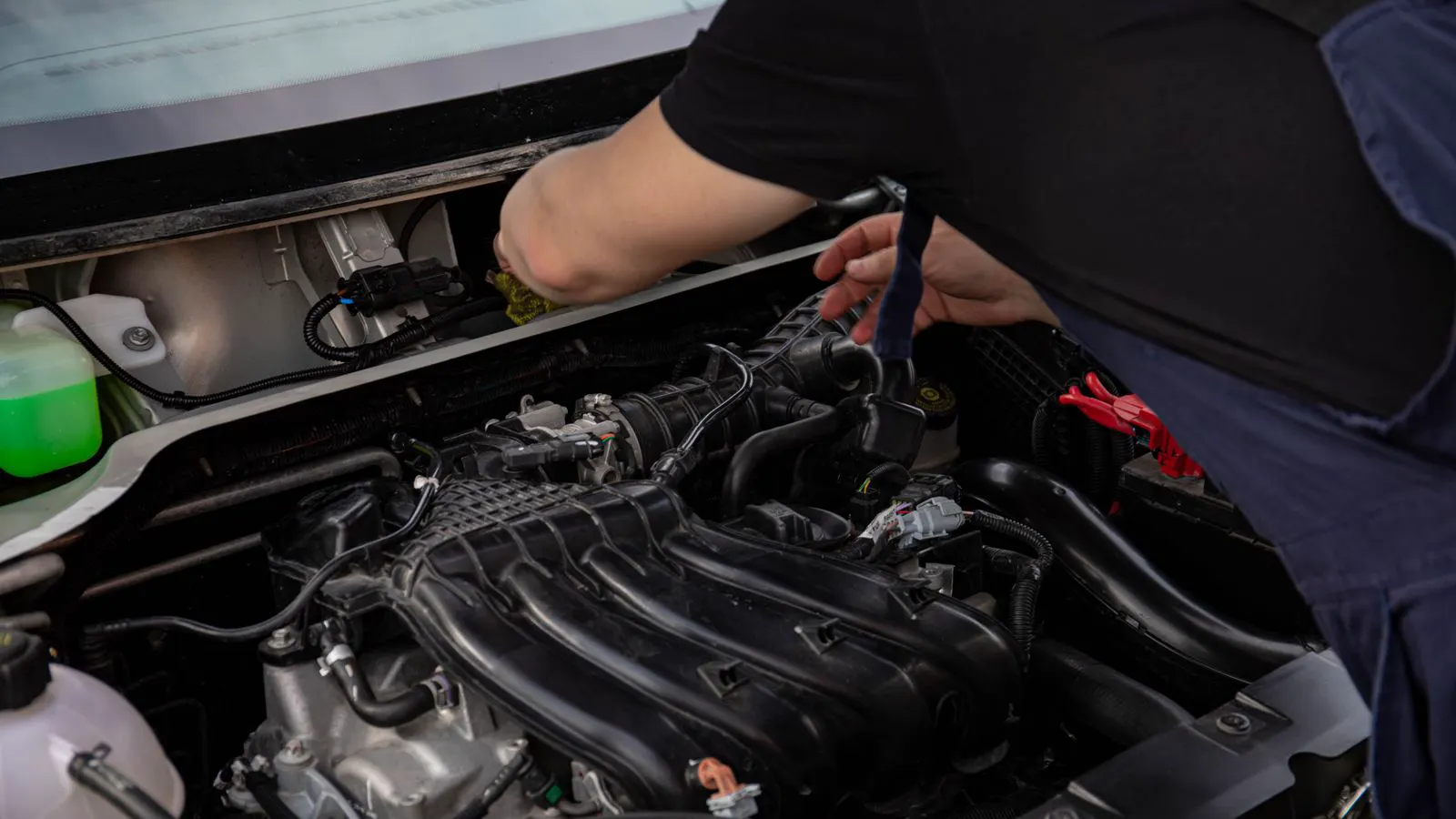
How to Grease Tapered Roller Bearings for Extended Service
Correct greasing of tapered roller bearings requires precise volume control, slow injection, and verifying the inner ring seal. Use the right lubricant consistency
Expert insights into roller bearing technology, load capacity, and maintenance for high-demand industrial systems.
Correct greasing of tapered roller bearings requires precise volume control, slow injection, and verifying the inner ring seal. Use the right lubricant consistency
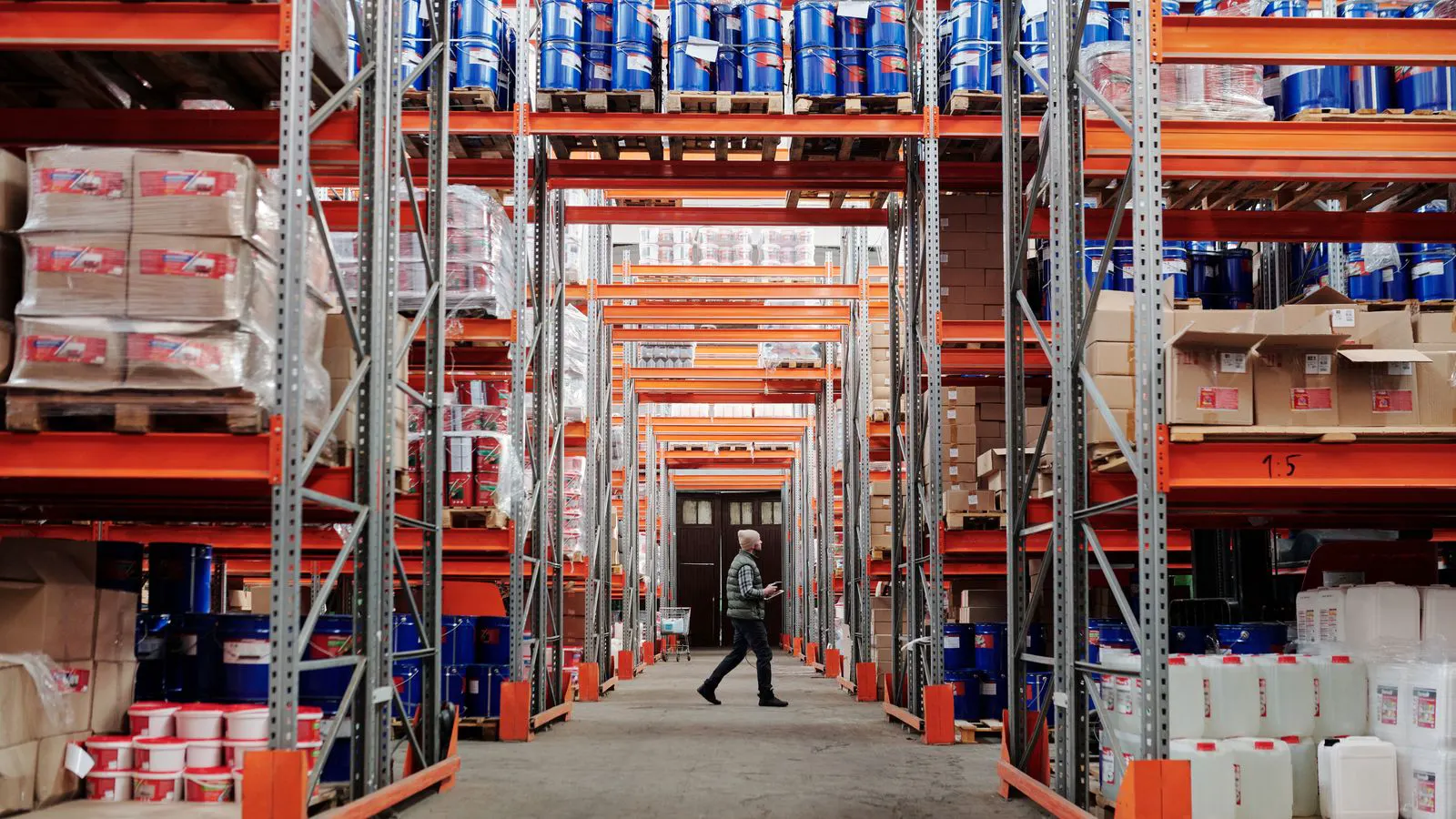
Importing cylindrical roller bearings involves complex logistics that affect both price and delivery speed. This guide breaks down the key cost drivers and lead time
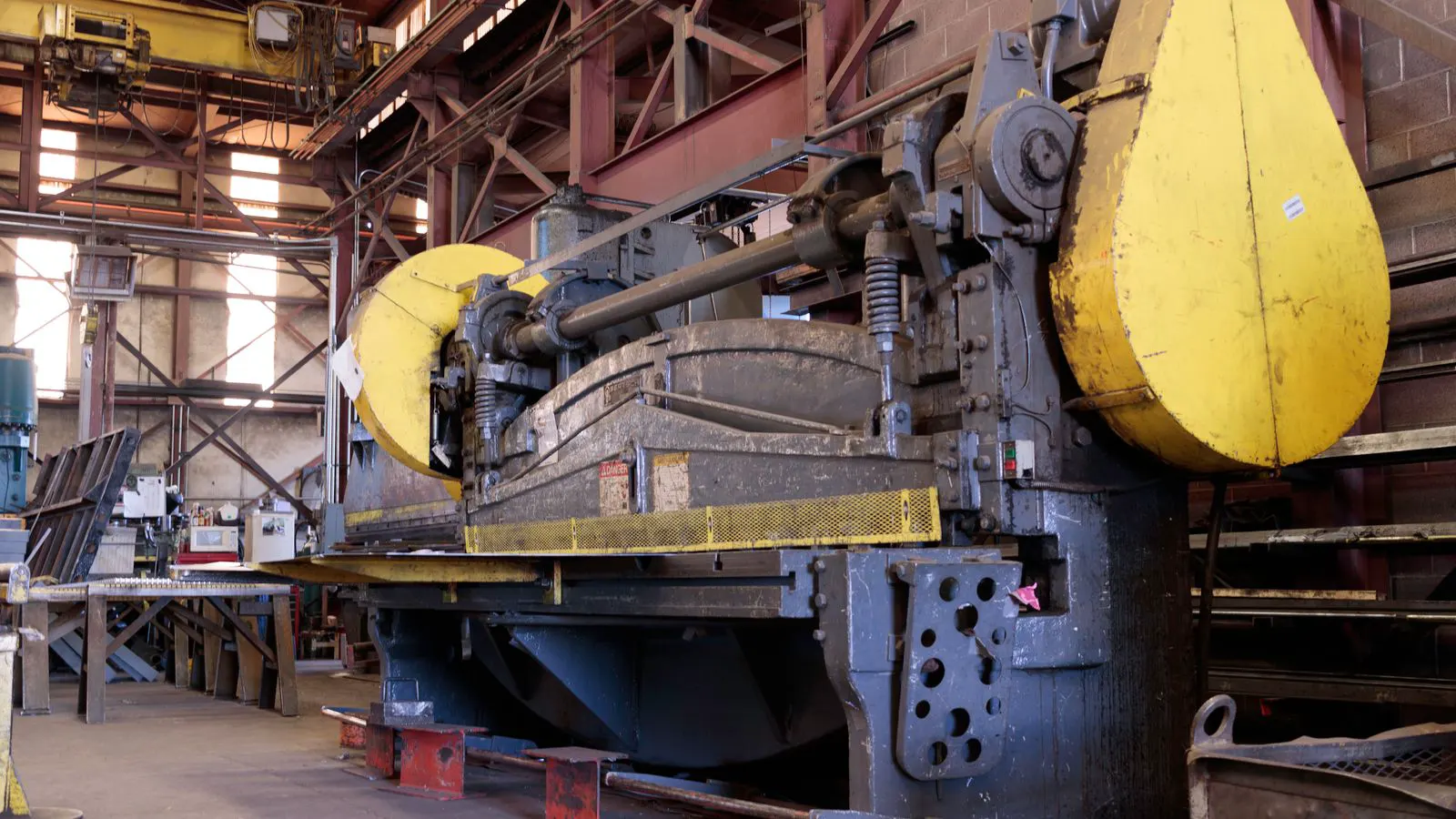
Procurement managers should evaluate tapered roller bearings by matching cone angle, cage type, and load capacity to specific machinery requirements. This guide outlines

Procurement managers need a structured framework to select high duty roller bearings. This guide details evaluation criteria, supplier checks, and load capacity
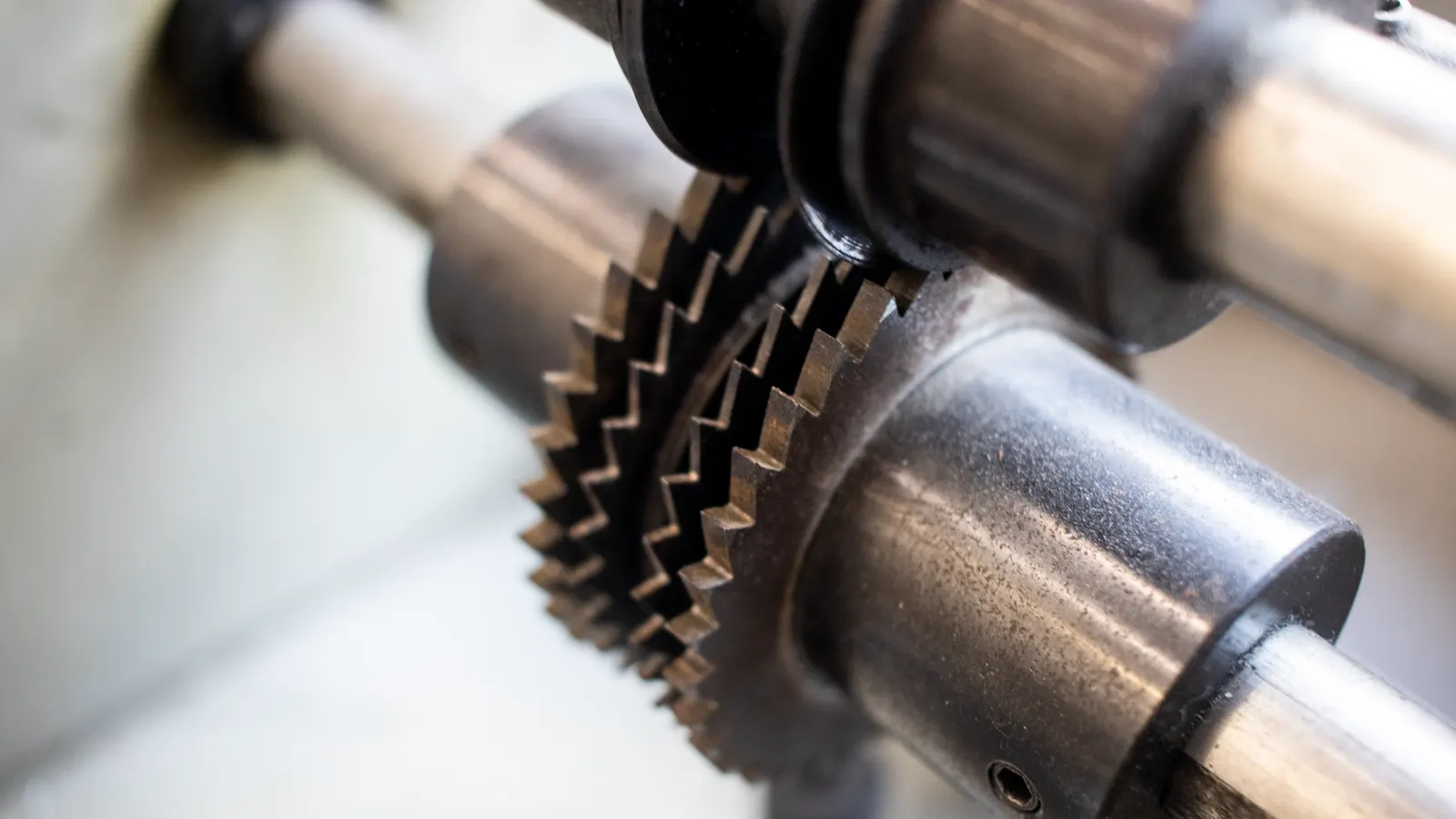
Tapered bearings handle radial and axial loads in tight spaces, while cylindrical bearings support high radial loads and allow shaft movement. The right choice depends
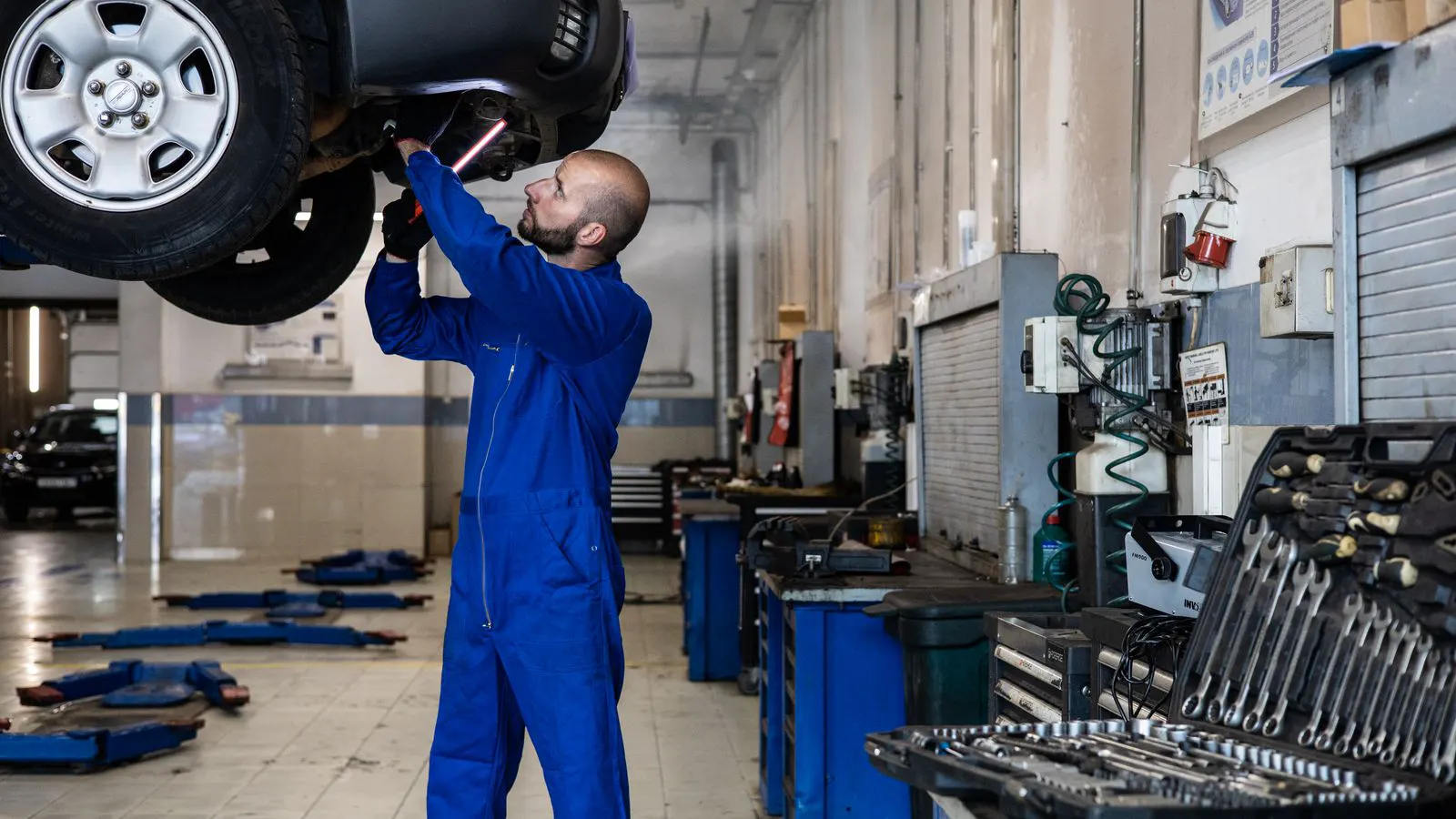
A structured inspection checklist for condition monitoring roller bearings. It covers noise, vibration, temperature, lubrication, and mechanical fits to help maintenance

A roller bearing is a rolling contact bearing where cylindrical or conical rollers support a load between two rings. The mechanism converts sliding friction into rolling
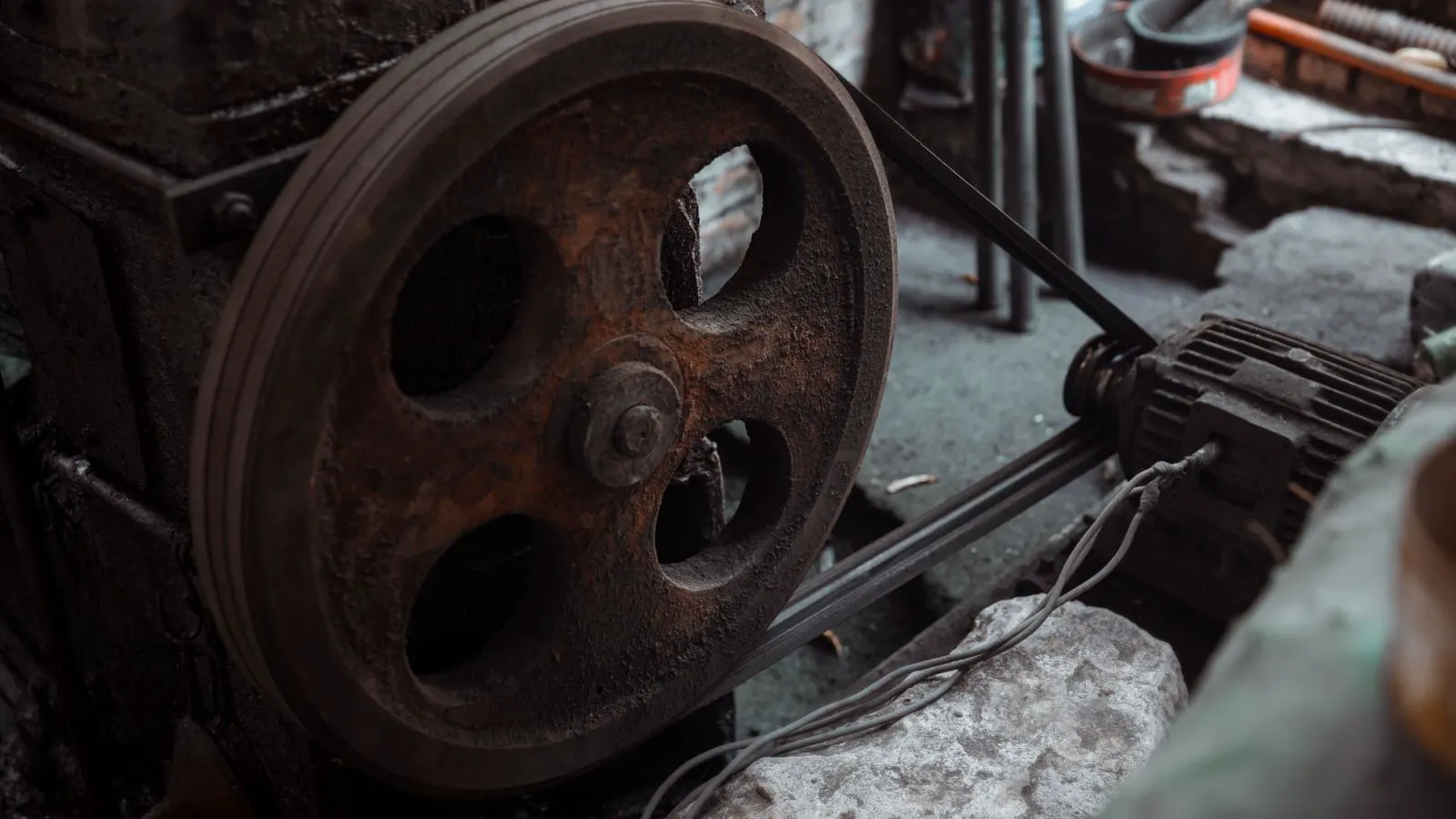
High performance roller bearing technology is moving toward embedded sensors, sustainable materials, and predictive maintenance. Buyers should plan for data integration
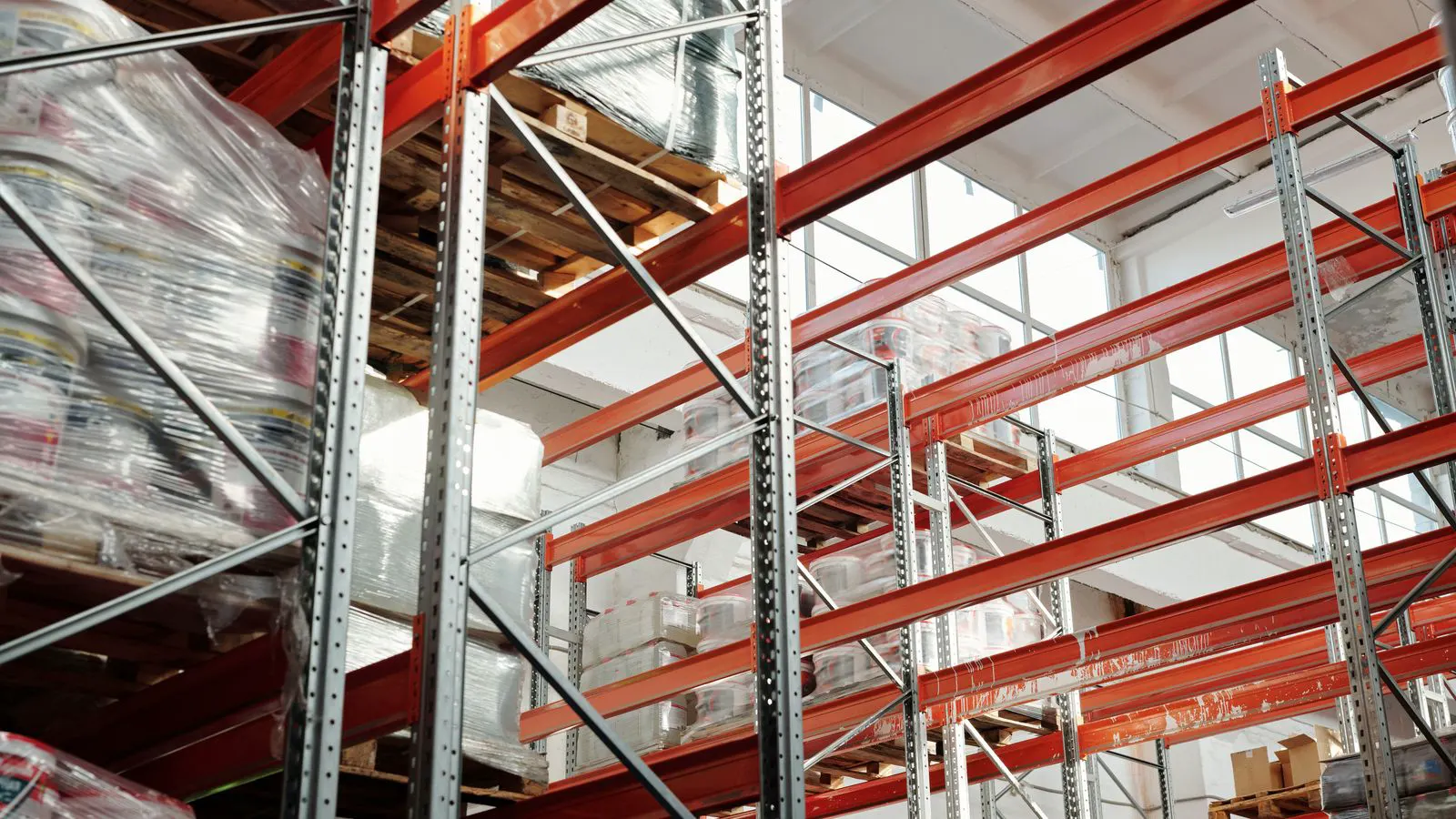
Bearing imports for heavy duty roller bearings depend on material grade, size, certification, and freight. Lead times vary by region and stock availability. A clear RFQ
To match load capacity to machine duty, identify the exact radial and axial forces, apply duty cycle factors, and verify the bearing life against the target operating

Abnormal bearing noise in roller assemblies often signals misalignment, lubrication failure, or surface defects. This guide outlines a structured diagnostic process and