Spindle heat and vibration usually point to incorrect bearing preload or excessive runout. This guide lists symptoms, identifies likely causes, and provides fixes to restore accuracy. It also covers prevention steps to maintain stable performance.
- Spindle heat often indicates preload that is too high, while vibration can signal loose preload or misalignment.
- Always verify runout with a dial indicator before replacing bearings to avoid unnecessary parts costs.
- Use proper torque tools and shims to adjust preload without damaging the shaft or housing.
- Maintain consistent lubrication and temperature monitoring to detect preload shifts early.
- Document initial settings to make future adjustments faster and more accurate.
What does bearing preload actually do?
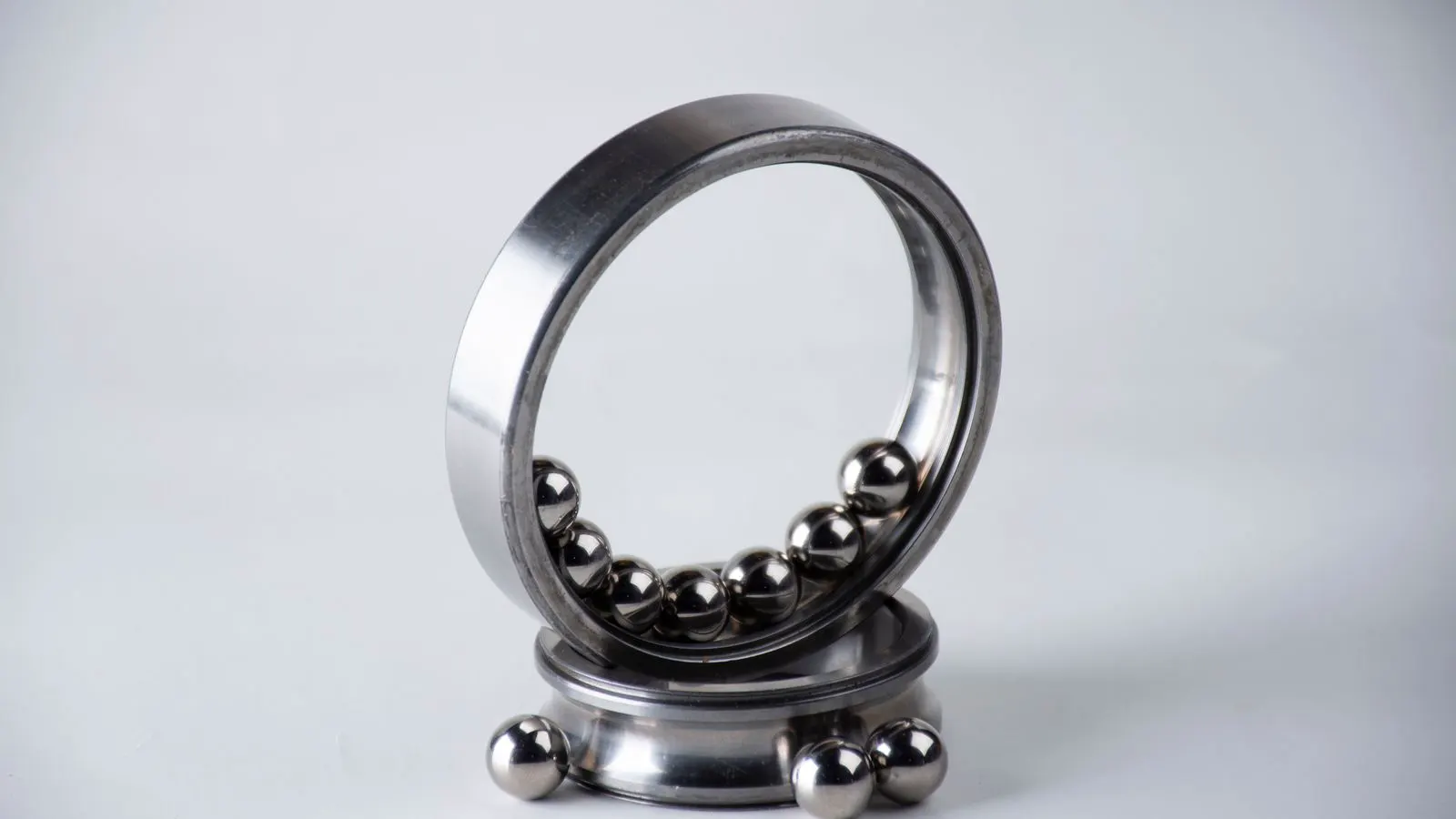
Bearing preload is the controlled force applied to a bearing set before the spindle starts moving. It pushes the raceways together, reducing the space between the balls and the races. This removes slop and improves positional accuracy. In a spindle, that accuracy translates directly to surface finish and dimensional tolerance. A bearing with no preload allows the balls to shift slightly between the raceways. When the spindle changes direction or load, the balls can impact the race surface. That impact creates micro-vibration and scatters the toolpath.
The amount of preload must match the load the spindle carries. Too much preload increases friction and heat. The balls press harder into the raceways, which raises the contact stress. This stress accelerates surface fatigue and shortens the life of the rolling elements. Too little preload allows movement inside the bearing, which causes vibration and noise. The balance point depends on the specific application. A machining center with high feed rates needs enough preload to handle the cutting forces without deflection. A high-speed spindles for grinding may need higher preload to resist the centrifugal forces at operating speed.
Spindles use different preload methods. Some use shims between the housing and the bearing. Others use threaded collars that push the inner ring against the outer ring. The specific method depends on the bearing type and the machine design. For example, a tapered roller bearing set often uses a collar to achieve axial preload. A deep groove ball bearing set may rely on a shim stack to set the axial gap. Understanding the specific mechanism is the first step in diagnosing any performance issue.
How to check for excessive preload
Excessive preload is a common cause of spindle overheating. The bearing generates more friction because the balls are pressed too tightly against the raceways. This extra heat has no immediate function. It only degrades the lubricant and the bearing surfaces. Over time, the lubricant breaks down, leaving the metal surfaces unprotected.
Look for these signs:
- The spindle temperature rises quickly during operation.
- The bearing housing feels hot to the touch after short run times.
- There is a grinding or whining noise from the bearing area.
- The motor draws more current than normal.
To verify the issue, shut down the machine and let the spindle cool. Remove the cover and check the shim stack or collar position. If shims are present, measure their thickness with a micrometer. Compare the value to the original specification. If the shims have shifted or worn, the preload may have changed without anyone noticing.
If the preload is too high, remove one or two shims. If a threaded collar is used, back it off slightly. Reassemble the spindle and run a test cycle. Monitor the temperature and listen for noise changes. Use an infrared thermometer to track the bearing housing temperature over time. If the temperature stabilizes at a lower level and the whining noise disappears, the adjustment was correct.
How to identify low preload or loose bearings
Low preload creates a gap between the bearing components. The balls can shift slightly under load, causing impact noise and reduced accuracy. This condition is often harder to diagnose than excessive preload because the machine still runs. It just runs poorly. The vibration may be subtle enough that it only becomes obvious when you look at the surface finish of a machined part.
Symptoms of low preload include:
- Clicking or knocking sounds during direction changes.
- Play or slop when rotating the spindle by hand.
- Inconsistent toolpath accuracy on the machine.
- Vibration that changes with load speed.
Check the spindle by hand. Rotate it slowly and feel for any looseness. If you can feel movement, the preload is likely too low. Inspect the shims or collar for wear or damage. Sometimes the collar threads strip or the shim stack collapses. This happens when the bearing is removed and reinstalled incorrectly.
To fix low preload, add a thin shim or tighten the collar slightly. Do not overcorrect. Add adjustments in small increments. Recheck the runout after each adjustment. If the runout changes significantly with a small adjustment, the bearing may be damaged or the shaft may be bent.
How spindle runout affects bearing performance
Spindle runout is the deviation of the spindle shaft from its true centerline. It can be measured at the tool holder or at the bearing location. Runout is not just a measurement of the tool. It is a measure of how true the whole spindle system is. If the shaft is bent, the bearing sees a distorted load. If the housing is out of true, the bearing raceways are not aligned.
High runout increases the loads on the bearing balls. The balls strike the raceways at uneven angles, causing localized stress. This stress accelerates wear and reduces bearing life. In severe cases, the balls can skip over small defects in the race surface. This creates a rhythmic noise that matches the rotational speed of the spindle.
Runout can come from several sources. The shaft itself may be bent. The housing bore might be out of round. The mounting surface could be damaged. Even a small amount of debris on the housing bore can create significant runout. The bearing seats on that bore. If the bore is not clean or true, the bearing cannot seat correctly.
Measure runout with a dial indicator. Clamp the indicator to a fixed reference point. Touch the indicator to the spindle shaft or tool holder. Rotate the spindle slowly and record the maximum reading. Use a magnetic base for the indicator to ensure it stays secure. If the reading exceeds the manufacturer’s specification, the runout is too high.
If runout is high, identify the source. Check the shaft for bends. Inspect the housing bore for scratches or out-of-round conditions. Clean the mounting surfaces and check for debris. Do not assume the bearing is bad. Often the bearing is fine, but the shaft or housing is the problem.
Common causes of bearing heat and vibration
The table below lists common symptoms and their likely causes. Use it to narrow down the problem before replacing parts.
| Symptom | Likely cause | What to do |
|---|---|---|
| High temperature | Excessive preload | Remove shims or back off collar |
| High temperature | Low lubrication | Re-lubricate and check for leaks |
| Vibration | Misaligned housing | Check mounting bolts and shims |
| Vibration | Worn shaft | Replace the shaft or check for damage |
| Clicking noise | Low preload | Add shims or tighten collar |
| Grinding noise | Contamination or damage | Clean and inspect for wear |
Contamination is another frequent cause of heat. Metal chips, dust, or moisture can get into the bearing. This creates abrasive action and increases friction. When metal chips enter the bearing, they act like a grinding wheel. They score the raceways and the balls. The lubricant also breaks down faster when it is contaminated with abrasive particles.
Check the seal condition. If the seal is worn, replace it. A worn seal allows coolant, oil, and dust to enter the bearing area. Clean the bearing area thoroughly before reassembly. Use the correct lubricant for the bearing type. Too much lubricant can also cause heat. The oil needs to be pumped around the raceways. If there is too much, it creates drag and prevents proper lubrication.
How dynamic balance interacts with preload
Dynamic balance refers to how evenly mass is distributed around the spindle axis. An unbalanced spindle creates forces that vary with speed. These forces are centrifugal in nature. They push the shaft outward in a rotating pattern. The magnitude of the force increases with the square of the rotational speed.
These forces add to the normal radial and axial loads on the bearing. If the preload is already high, the extra load from imbalance can push the bearing into a hot zone. The bearing sees a combination of the static preload and the dynamic imbalance force. This combination can exceed the design limit of the bearing.
If the preload is low, imbalance can cause the bearing to shift slightly, leading to noise and vibration. The bearing races are not held tightly together. The imbalance force pushes the bearing components against each other. This creates impact noise and accelerates wear.
Check dynamic balance before adjusting preload. Mount a balancing machine and measure the spindle. If the spindle is out of balance, correct it first. Then adjust the preload. This order prevents mistakes. If you adjust preload on an unbalanced spindle, you may not see the true effect. The vibration from imbalance will mask the noise from wrong preload. You might think the bearing is noisy because of the preload, when it is actually the balance that is the problem.
Prevention steps for stable spindle performance
Preventing bearing issues is easier than fixing them. Build good habits into your maintenance routine. Most bearing failures are not sudden. They develop over time. By monitoring the key parameters, you can catch the early signs before they become a breakdown.
- Record the initial preload setting. Write down the number of shims or the collar position. Store this information with the machine records. This gives you a baseline to compare against. If the preload drifts, you will know how much it has changed.
- Check the runout after major maintenance. Every time you remove the bearing or housing, re-measure the runout. The runout may have changed even if the bearing is not damaged. The housing bore may have been scratched during removal.
- Monitor temperature trends. Use an infrared thermometer or a temperature sensor to track the bearing temperature over time. A trend is more useful than a single reading. If the temperature rises gradually over weeks, there is a developing problem.
- Inspect the seals regularly. Replace seals before they fail. A good seal keeps contaminants out. A bad seal lets coolant and dust in. The seal is a cheap part compared to a bearing replacement.
- Use the correct lubricant. Follow the manufacturer’s recommendation for the bearing type and operating speed. Some bearings require synthetic oils, while others use mineral oils. The wrong lubricant can break down faster or create heat.
Keep the spindle clean. Wipe down the housing and shaft before work. Use lint-free cloths. Avoid getting oil on the shaft surface during runout checks. Oil can change the friction between the shaft and the bearing, which affects the runout reading. Wipe the shaft clean before measuring.
When to replace the bearing
Sometimes the bearing is beyond repair. If the raceways are pitted or the balls are deformed, replacement is necessary. A bearing with significant damage cannot be adjusted back to its original performance. The contact stress is too high, and the lubricant cannot protect the surfaces. The bearing will fail again quickly.
Signs that replacement is needed include:
- Deep grooves or pitting on the raceways.
- Spalling or flaking of the bearing material.
- Significant noise that does not change with preload adjustment.
- Runout that remains high after correcting the shaft and housing.
When replacing the bearing, follow the installation guide. Clean the shaft and housing bore. Check for scratches. Use the correct press fit and alignment tools. Do not hammer the bearing on. Hammering can damage the raceways or the shaft. Use a bearing installer to ensure the bearing seats evenly.
Set the preload to the specified value. Do not guess. Use a feeler gauge or a torque wrench if the design requires it. Run the spindle and verify the temperature and runout. If the bearing is new but the temperature is still high, the problem is not the bearing. Check the preload, the lubrication, and the runout again.
Frequently asked questions
Can I adjust preload without removing the bearing?
Yes, in many designs you can adjust preload by changing shims or turning a collar. The bearing itself does not need to be removed for this adjustment.
What is the safest way to check runout?
Use a dial indicator clamped to a fixed reference. Rotate the spindle slowly and measure the deviation at the tool holder or shaft.
Does high preload always cause heat?
Usually yes. High preload increases friction and generates heat, especially at higher speeds. The exact temperature depends on the load and lubrication.
How often should I check spindle runout?
Check runout after major maintenance, bearing replacement, or if you notice vibration or accuracy issues. Regular checks help catch problems early.
Can low preload cause vibration?
Yes. Low preload allows movement inside the bearing. This movement creates impact noise and vibration, especially under varying loads.