Bulk ball bearing costs and lead times are driven by material, size, quantity, and shipping. Buyers must standardize specifications and issue clear RFQs to compare quotes fairly. This guide outlines the key factors influencing pricing and delivery schedules for large-scale procurement.
- Material grade and size determine base bearing cost, while quantity and shipping dictate final pricing.
- Lead time depends on standard stock status, custom tolerances, and global logistics.
- Clear RFQs with exact technical specs prevent quote variances and expedite procurement.
- Compare quotes on a like-for-like basis by isolating unit price, shipping, and delivery terms.
What Drives the Base Bearing Cost
The starting price for any ball bearing is set by its physical construction. Material is the primary variable. Standard steel bearings use high-carbon steel, offering a low entry cost. Specialty alloys, such as stainless or ceramic hybrids, increase the unit price significantly. The material choice must match the application. A bearing in a food processing line requires corrosion resistance, which alters the cost structure compared to a standard motor application.
Consider a hydraulic pump operating in a marine environment. The constant exposure to saltwater and moisture creates a specific failure mode: rust and corrosion. Using a standard 52100 steel bearing here would lead to premature seizure or pitting of the raceways. Replacing it with a 316SS stainless steel bearing increases the raw material cost substantially. However, it extends the service life by preventing the chemical degradation that steel suffers in this specific setting. The price difference is not a premium for luxury; it is the cost of material compatibility.
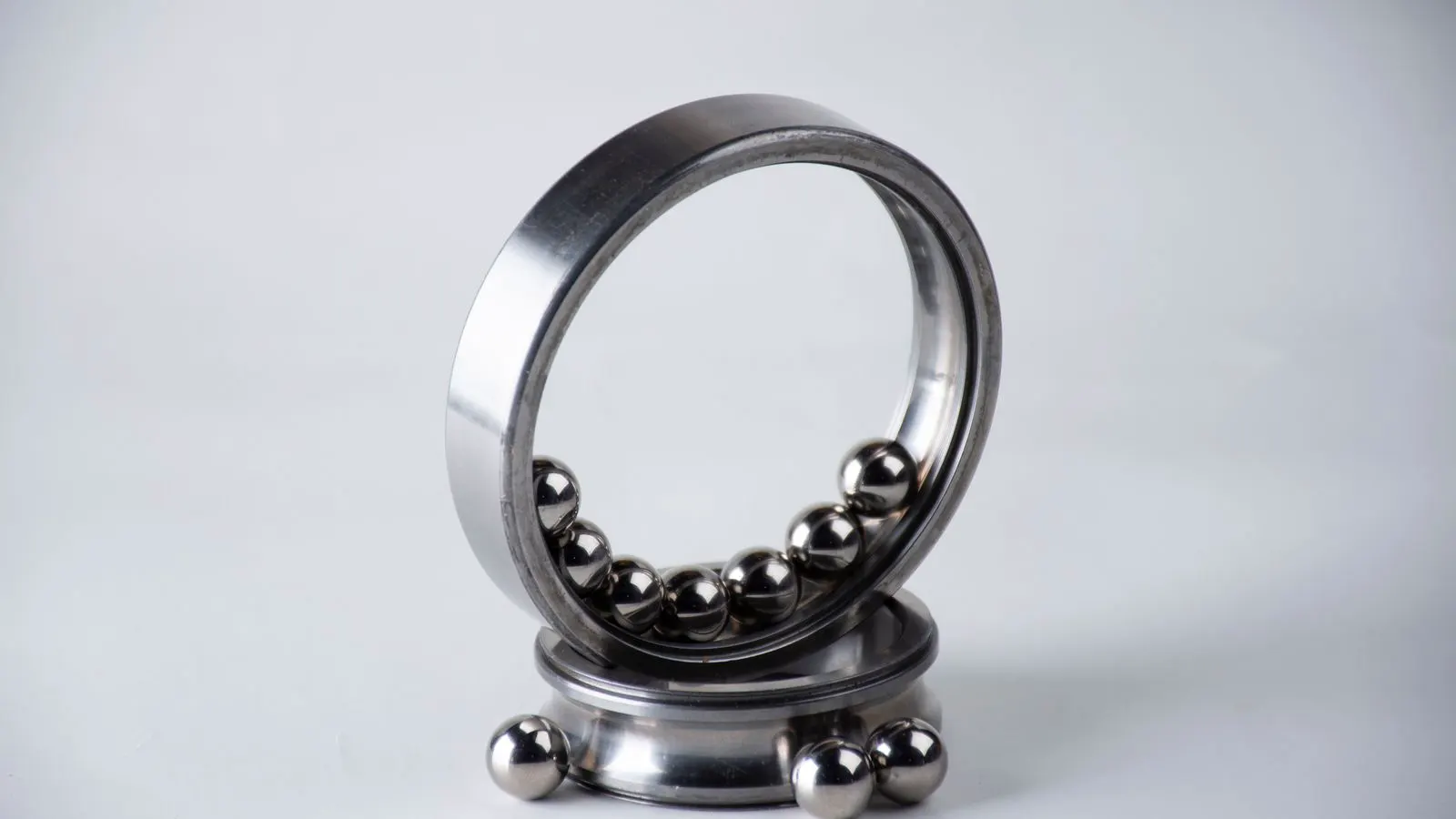
Size and geometry also set the baseline. A small 608ZZ bearing costs less than a large industrial tapered or spherical plain bearing. The number of balls and their diameter directly impacts the machining time and raw material usage. Larger bearings require more material and more processing steps. Each step adds to the labor and overhead cost. A large tapered roller bearing, for example, requires complex grinding processes to ensure the cone angle and contact angle are precise. The tooling wear on these large machines is higher, and the inspection time for each unit is longer than for a small deep groove ball bearing.
The finish and seals determine the price tier. Open bearings are the least expensive. Shielded and sealed units require additional material and assembly time to prevent contamination. For bulk orders, the combination of these base factors creates a predictable price floor. Any quote below this floor usually signals a risk, such as lower material grade or looser tolerance standards. Seals require rubber or contact materials that must be molded and fitted. The complexity of the seal design, such as a double contact seal versus a single non-contact shield, adds distinct layers of manufacturing cost.
How Lead Time Varies by Order Type
Lead time is the time between placing a purchase order and receiving the goods. It splits into two parts: manufacturing time and logistics time. Standard bearings often sit in distributor stock. These can ship within days. Custom or made-to-order bearings require production slots.
Manufacturing time depends on the factory’s backlog. During peak seasons, factories may run at capacity. This pushes delivery dates further out. A standard order might take four to six weeks. A large order with special tolerances can take several months. The factory must allocate machine time and perform quality checks. When a factory is fully booked with high-priority military or aerospace orders, commercial orders are often placed further down the queue. This creates a variable manufacturing window that is difficult to predict without direct communication with the production manager.
Logistics time adds variable delays. Shipping by air is fast but expensive. Sea freight is slow but economical. Customs clearance adds another layer of unpredictability. Import duties, documentation errors, or port congestion can stall a container for weeks. Buyers must build these buffers into their project schedules. If a container is held at a port due to a minor discrepancy in the commercial invoice, the delay is not reflected in the shipping rate but is real time lost.
Key Cost Drivers in Bulk Procurement
Understanding the cost breakdown helps buyers identify where savings are possible. The table below lists the main factors that affect pricing for large volumes.
| Cost Driver | Impact on Price | Buyer Action |
|---|---|---|
| Material Grade | Stainless or ceramic raises unit cost | Verify spec matches application needs |
| Order Quantity | Higher volume lowers unit price | Consolidate demand into single POs |
| Tolerance Grade | Tighter tolerances increase machining cost | Agree on acceptable tolerances early |
| Shipping Method | Air freight adds premium over sea | Choose method based on urgency |
| Packaging | Custom pallets or crates add handling cost | Standardize packaging for bulk |
Quantity offers the most direct savings. Buying one million bearings reduces the unit cost compared to buying one hundred thousand. The factory gains efficiency in machining and packaging. However, the buyer must manage inventory. Holding excess stock ties up capital and takes floor space. A balance must be struck between buying in bulk and maintaining lean inventory. For a high-rotation item like a 6205ZZ, buying two years’ worth of stock might be justified if the unit price drop is significant. For a low-rotation item like a large spherical plain bearing, holding excess stock is rarely economically viable.
Tolerances are another major cost lever. ISO standard tolerances are widely available. Tighter tolerances require slower machining and more inspection. For most industrial applications, standard tolerances are sufficient. Requesting tighter specs without a clear functional reason inflates the cost without adding value. If the application is a high-speed spindle, the tolerance requirement is dictated by the need to maintain runout and vibration levels. In this case, the higher cost is a functional necessity, not a preference.
How to Write a Clear RFQ
A Request for Quotation (RFQ) is the first document in the procurement process. A vague RFQ leads to vague quotes. Suppliers will fill in gaps with their standard options, which may not fit your needs. A clear RFQ reduces back-and-forth and speeds up the comparison.
The RFQ must list the exact part numbers. If you do not have a part number, provide the full technical specification. Include the bore, outer diameter, and width. State the series and the design type. Specify the material and the seal type. If you need a specific load rating or speed rating, state it clearly. For example, specifying “6210-2RS2, 52100 steel, ABEC 7, double contact seals” removes ambiguity. If the application requires a specific grease, stating the grease type prevents the supplier from using a standard, cheaper filler that may not withstand the operating temperature.
The quantity is the most critical field. List the annual requirement. If you are buying in tranches, state the schedule. For example, 50,000 units per quarter for four quarters. This helps the supplier plan production. The delivery address must be exact. Include the country and city. If you need incoterms, specify them. For example, EXW or FOB. Choosing EXW (Ex Works) shifts the risk and cost of export packing and transport to the buyer. Choosing FOB (Free On Board) leaves the export risk with the supplier. This decision affects who handles the freight booking and the insurance.
The payment terms matter for the final price. Net 30, Net 60, or a letter of credit. Some suppliers offer a discount for prepayment. This is a trade-off between cash flow and unit cost. A clear RFQ sets the stage for a fair comparison. It removes ambiguity from the start. It also allows the supplier to determine if the order is worth the administrative effort.
How to Compare Quotes Fairly
Suppliers often send quotes that look different but represent the same product. To compare them, you must normalize the data. First, isolate the unit price. Strip out shipping and taxes. Second, check the currency. Convert everything to your base currency. Use a standard exchange rate for consistency.
Next, verify the specifications. Does the quote include the seals you asked for? Is the material grade correct? A low price might come from a lower grade material or open design. Do not compare a sealed stainless bearing to an open steel bearing. The comparison is invalid. Check the coating. A bearing with a nickel or zinc plating may have a different friction coefficient and corrosion resistance than a bare bearing. These details must be aligned before price comparison begins.
Look at the lead time. A quote with a short delivery date might have a higher price. A quote with a long lead time might be cheaper. You must value the delivery date against the price. If the line stops for two days, the cost of downtime exceeds the savings from a cheaper bearing. A machine in a bottling plant, for instance, has a high hourly cost of lost production. Paying a premium for air freight to replace a failed bearing is often cheaper than the lost revenue from the downtime.
Finally, check the supplier’s reliability. Ask for references. Check their quality certifications. A slightly higher price from a verified supplier is often safer than a low price from an unknown source. The cost of a faulty bearing in a critical machine is far higher than the premium for a reliable one. A single bad batch can lead to a line shutdown and a recall.
Managing Supply Chain Risks
Bulk procurement creates dependency on a single source. If one supplier fails, your operation stops. This is a real risk in global manufacturing. To manage it, consider dual sourcing. Split the order between two suppliers. This adds complexity but reduces single-point failure.
Inventory buffers are another tool. Keep a safety stock of critical bearings. This stock should cover a specific number of weeks of production. The amount depends on the lead time and the demand variability. If the lead time is long, the buffer must be larger. If the lead time is short, a smaller buffer works. For a bearing with a six-month lead time, a three-month safety stock might be appropriate to cover supply interruptions.
Communication with the supplier is key. Share your production forecast. Let them know about planned shutdowns or capacity changes. This helps them plan their production schedule. It also builds a relationship that can be useful during supply disruptions. A supplier who knows your demand patterns can prioritize your orders over general commercial stock.
Frequently asked questions
What is the main factor that affects bearing cost?
Material grade is the primary driver. Specialty alloys cost more than standard steel, and size and finish add to the base price.
How can I reduce the lead time for a bulk order?
Choose standard stock items when possible. If custom parts are needed, start the order early and confirm production slots with the supplier.
Should I buy all my bearings from one supplier?
A single source simplifies administration but creates risk. Many buyers split orders between two suppliers to mitigate supply chain disruptions.
How do I know if a quote is too low?
Compare the spec against your requirements. If the price is far below the market average, check the material grade and tolerances. It may use lower quality components.
Does shipping method affect the total cost?
Yes. Air freight is faster but more expensive. Sea freight is slower but cheaper. Factor the shipping cost into the total price when comparing quotes.