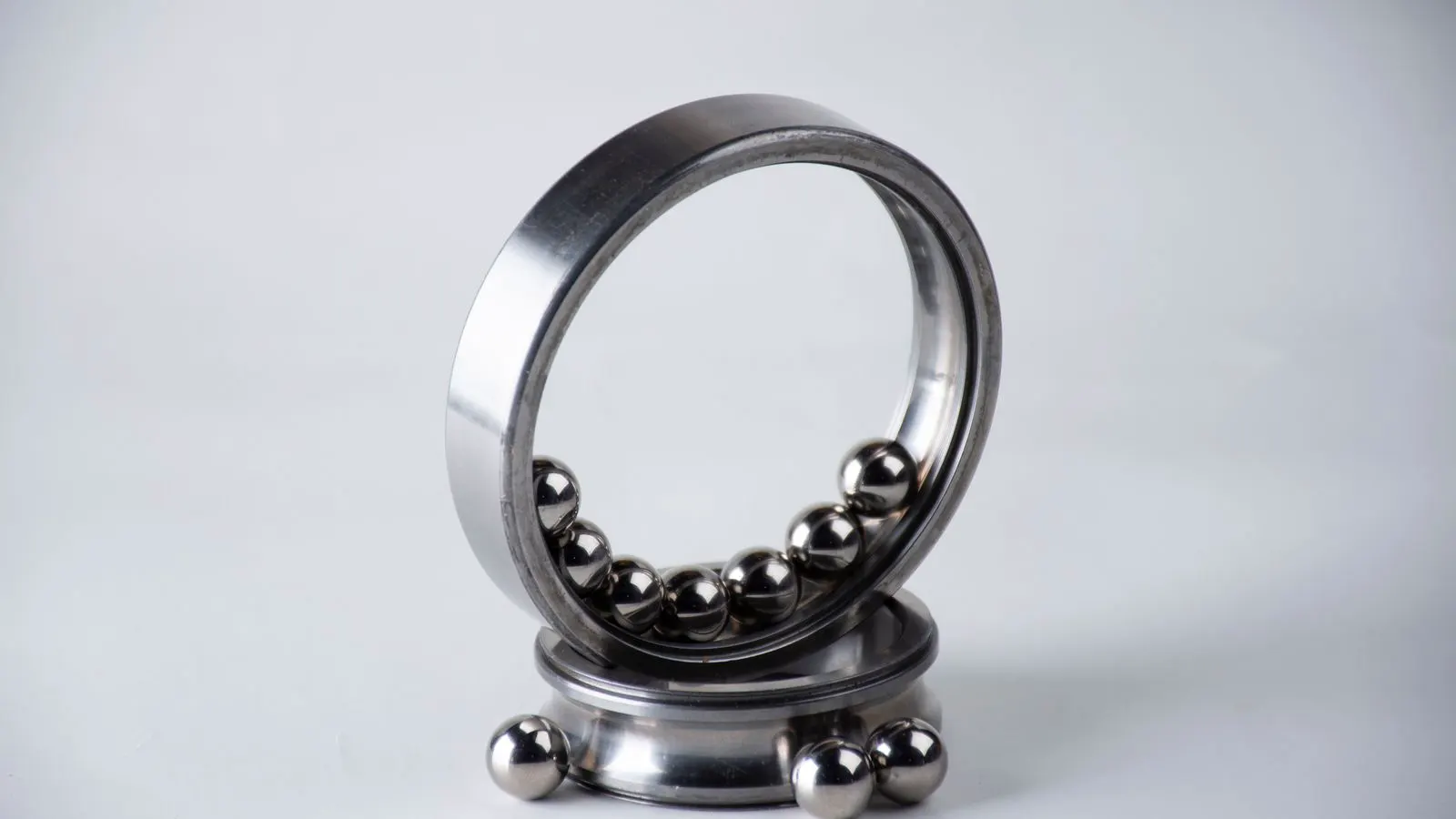
A bearing tolerance grade defines the dimensional limits of a bearing. The C40 class sets specific limits for bore and outer diameter. These limits determine interchangeability, initial clearance, and the precision of the assembly. Buyers must match the grade to machine requirements.
- The bearing tolerance grade defines dimensional limits for the bore and outer diameter, which directly impacts fit and interchangeability.
- C40 is a standard grade for general purpose applications, offering a balance between cost and performance.
- Interchangeability depends on matching the tolerance grade to the machine housing and shaft dimensions.
- Buyers must specify the exact tolerance grade in their purchase orders to avoid fit issues during installation.
- Higher precision grades are required for applications where runout or vibration must be strictly controlled.
What is a bearing tolerance grade
A bearing tolerance grade is a standardized set of dimensional limits. It defines the maximum and minimum allowable dimensions for the bore, outer diameter, and width of the bearing. These limits are not arbitrary. They are established to ensure that the bearing performs reliably within a machine. The grade determines how much variation is acceptable in the manufacturing process. A tighter tolerance means less variation. A wider tolerance allows for more variation but typically results in a lower cost. The bearing tolerance grade is printed on the bearing or its packaging. It is a key data point for engineers and buyers.
The two most common dimensions affected are the bore and the outer diameter. The bore fits over a shaft. The outer diameter fits into a housing. If these dimensions fall outside the specified limits, the bearing may not seat correctly, or the fit may be too tight or too loose. The width of the bearing also matters in high-speed applications, where axial positioning affects the life of the seal and the internal rolling elements.
How C40 fits into the tolerance system
C40 is a standard tolerance grade used for ball bearings. It is designed for general purpose industrial applications. It provides a level of precision that meets the requirements of most machinery, including pumps, compressors, fans, and general transmission equipment.
When a buyer specifies a C40 bearing, they are requesting a specific range of dimensional limits. The bore and outer diameter must fall within these limits. This ensures that the bearing can be mounted on a shaft and into a housing without forcing. It also ensures that the bearing has the correct initial clearance.
The C40 grade sits between looser grades and tighter grades. It is more precise than general purpose grades but less precise than high speed or precision grades. This makes it a common choice for OEMs and maintenance teams. It offers a predictable performance level without the premium cost of tighter tolerances.
In practice, a C40 bearing is often the default for applications where the machine was not designed for high-speed rotation or extreme precision. If the original equipment used a C40 grade, the replacement should also be C40 to maintain the original design intent.
The impact on bearing interchangeability
Bearing interchangeability refers to the ability to replace a worn bearing with a new one without modifying the machine. It is a core requirement for maintenance planning. The bearing tolerance grade is the primary factor in achieving this.
If the replacement bearing has a different tolerance grade, its dimensions will differ. A tighter grade will have smaller maximum dimensions. A looser grade will have larger maximum dimensions. This difference can change the fit.
For example, if the original bearing is C40 and the replacement is a looser grade, the new bearing may have a larger outer diameter. It will not fit into the housing. If the replacement is a tighter grade, the bore may be smaller. It may be too tight to mount on the shaft.
Interchangeability is not just about the bearing. It is about the system. The shaft and housing are ground to specific tolerances. The bearing must fit within those limits. The bearing tolerance grade must be consistent with the machine design.
Consider a motor replacement scenario. If the motor shaft is ground to a specific tolerance and the housing is also ground to match, the bearing must fit within those limits. If the bearing grade is different, the fit may be too tight or too loose. This can lead to premature failure or poor performance.
How tolerance affects fit and clearance
The fit between the bearing and the shaft, or the housing, is defined by the tolerance grades of all three parts. The bearing tolerance grade sets the size of the bearing. The shaft and housing tolerances set the size of the machine parts. The combination determines the clearance.
Clearance is the space between the shaft and the bore, or the outer diameter and the housing. This space allows for thermal expansion and lubrication. If the clearance is too small, the bearing may seize. If it is too large, the bearing may vibrate.
The C40 grade provides a standard range for this clearance. Engineers use this range to calculate the expected fit. They ensure that the bearing will not bind when it heats up. They also ensure that the bearing will not have too much play.
In a pump application, the shaft and housing are often ground to specific tolerances. The bearing must fit within those limits. If the bearing is too loose, the pump may vibrate excessively. If it is too tight, the bearing may overheat and fail prematurely.
A worked example of sourcing decisions
Consider a conveyor line that uses deep groove ball bearings. The machine was designed for a C40 tolerance. The housing bores and shafts are ground to match this grade. The maintenance team needs to replace a bearing that has failed.
The buyer requests a replacement. The purchase order must list the C40 tolerance grade. If the supplier sends a bearing with a different grade, the fit may fail. The buyer must verify the grade on the packing slip. The supplier must match the specification exactly.
In this scenario, the C40 grade ensures that the new bearing will have the same dimensional limits as the old one. The fit will be identical. The clearance will be the same. The bearing will perform as expected. The machine can continue operating without modification.
If the buyer did not specify the grade, the supplier might send a looser grade to save cost. This would result in a poor fit. The bearing might not seat properly. It could lead to premature failure. The cost of the cheaper bearing would be lost in downtime.
Another common mistake is assuming that all bearings of the same size are interchangeable. They are not. Two bearings with the same bore and outer diameter can have different tolerance grades. Their dimensions will differ. The fit will change.
Selection criteria for precision applications
For high speed applications, such as spindles or motors, tighter tolerance grades are required. These grades reduce runout and vibration. They improve the balance of the rotating assembly. The C40 grade may not be sufficient for these applications.
Buyers must look at the machine speed and the required precision. If the speed is high, a tighter grade is needed. If the application involves strict noise control, a tighter grade may be required. The bearing tolerance grade must match the machine requirement.
The cost difference between grades can be significant. Tighter grades require more precise manufacturing. They have lower yield rates. This drives up the price. Buyers must weigh the cost against the performance benefit. For many industrial applications, C40 is the right balance.
In a high-speed spindle application, the bearing must have a very tight tolerance to minimize vibration and noise. A C40 grade may not be sufficient. A tighter grade, such as P5 or P4, may be required. This grade ensures that the bearing will have a consistent fit and clearance, which is critical for the performance of the spindle.
Common mistakes in specifying tolerance
The most common mistake is assuming that all bearings of the same size are interchangeable. They are not. Two bearings with the same bore and outer diameter can have different tolerance grades. Their dimensions will differ. The fit will change.
Another mistake is relying on the bearing size alone. The size does not tell you the tolerance grade. The buyer must check the part number or the specification sheet. The grade is part of the identification.
Engineers must ensure that the shaft and housing tolerances are compatible with the bearing grade. If the shaft is ground to a loose tolerance, a tight bearing may be too tight. If the housing is loose, a tight bearing may have too much play. The system must be designed as a whole.
A common error is not verifying the tolerance grade on the packing slip. If the supplier sends a bearing with a different grade, the fit may fail. The buyer must check the grade before accepting the delivery. This prevents fit issues and downtime.
Final thoughts on specification
The bearing tolerance grade is a critical data point. It defines the dimensional limits of the bearing. It impacts fit, clearance, and interchangeability. The C40 grade is a standard for general purpose applications. It provides a reliable balance of cost and performance.
Buyers must specify the grade in their purchase orders. Suppliers must match the specification. Engineers must verify the fit. This attention to detail ensures that the bearing performs as intended. It prevents fit issues and downtime.
Frequently asked questions
What is the difference between C40 and C30 tolerance grades?
C30 is a tighter tolerance than C40. It allows for less dimensional variation. C40 is a general purpose grade with more variation allowed.
Can I use a C40 bearing in a machine designed for a tighter grade?
Generally, no. The C40 bearing may have dimensions that are too large for the housing or too small for the shaft. The fit may be incorrect.
How do I find the tolerance grade on a bearing?
The grade is usually printed on the bearing itself, the packaging, or the part number. It is a standard data point in the bearing identification.
Does the tolerance grade affect the rolling contact geometry?
The grade primarily affects the bore and outer diameter. It can indirectly affect the internal fit, but the main impact is on the external dimensions.
Is C40 suitable for high speed applications?
C40 is not typically suitable for high speed applications. Tighter grades are required for high speed to reduce runout and vibration.