Stored bearing corrosion often stems from humidity, poor packaging, and chemical exposure. This guide covers symptoms, likely causes, and fixes, plus prevention practices to protect inventory from surface degradation and loss of function.
- Rust on stored bearings usually signals exposure to moisture, condensation, or contaminated storage media.
- Surface pitting can lead to early wear, noise, and premature failure even if the bearing was never mounted.
- Regular inspection, proper packaging, and controlled storage conditions are the most effective defenses.
- Documenting damage and separating affected stock prevents contamination of healthy inventory.
- Vendor-neutral quality checks help confirm whether a bearing is still fit for service.
What does bearing corrosion look like in storage
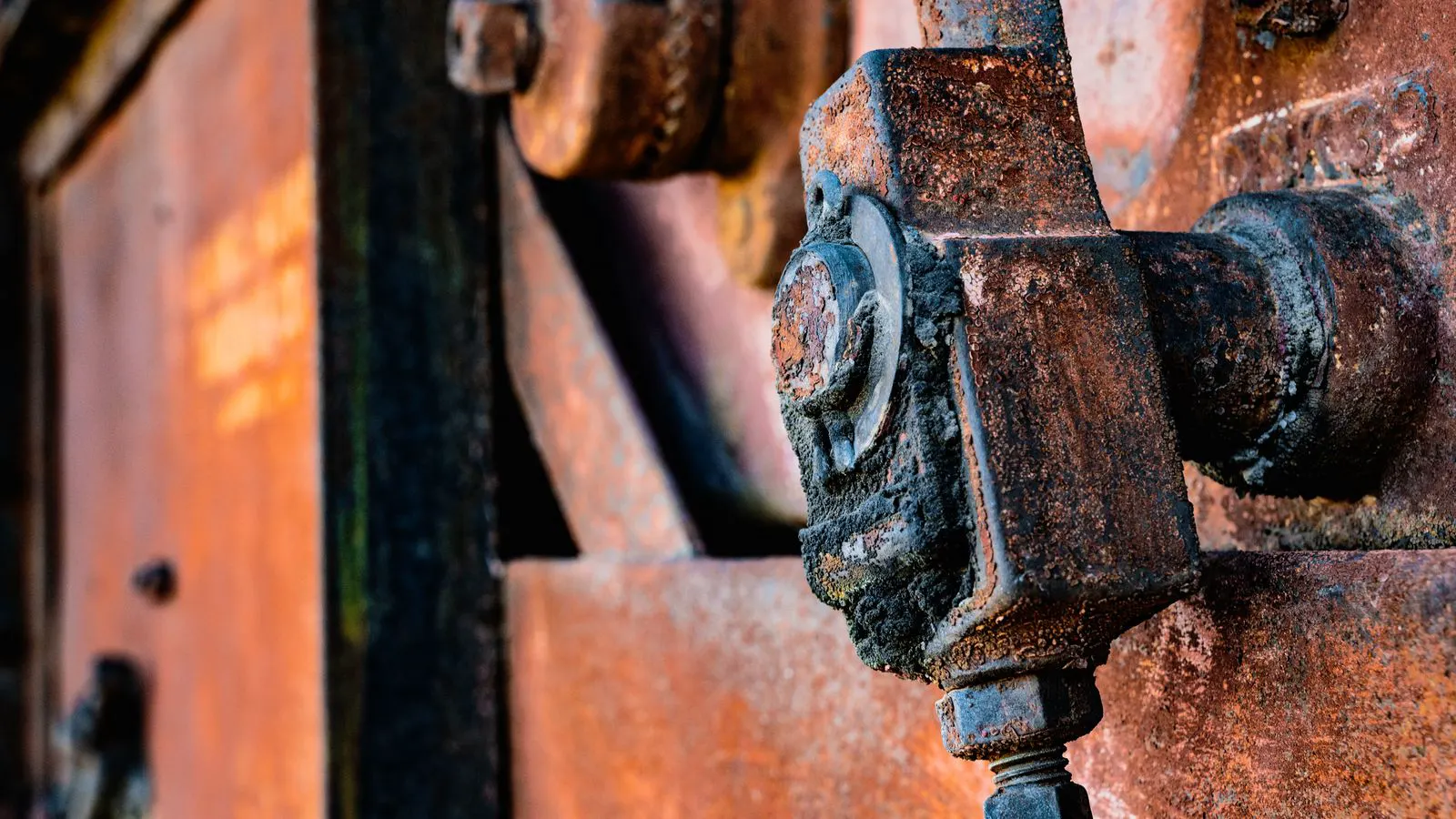
Bearing corrosion is a surface-level degradation that turns steel into a reddish-brown or dark flaky residue. It is not always immediately visible. Light surface oxidation may appear as a dull gray film or subtle discoloration on the raceway, inner ring, or outer ring. More severe cases show deep pitting, red scale, or even flaking that exposes bare metal underneath.
Corrosion can occur on any part of the bearing. The inner and outer races are the most vulnerable because they carry the load during operation. If the storage environment is unstable, corrosion may also appear on the cage, balls or rollers, and the sealing surfaces. Seals and shields may look swollen, cracked, or discolored when the grease inside has been affected by moisture.
The first thing a technician or warehouse manager should check is the severity of the damage. A light dust of rust on the outer surface is usually manageable. Deep pitting on the raceway is a different problem. If the raceway is pitted, the rolling elements may have already begun to wear unevenly. The bearing may pass a visual check but fail under load.
Corrosion is also a quality issue. It changes the geometry of the bearing. Even small pits can create stress concentrations that lead to spalling. The bearing may look acceptable but have a shortened service life. In high-torque industrial applications, this is particularly problematic because the bearing is expected to perform under heavy, sustained loads.
Common causes of rust in stored bearings
Moisture is the primary driver of bearing corrosion. Condensation forms when the temperature changes across a storage period. A bearing stored in a cold warehouse at night may collect a thin film of moisture on the metal surface by morning. That moisture can sit there for hours, beginning to break down the protective film on the steel.
Packaging materials also play a role. If a bearing is stored in a paper wrapper that has absorbed humidity, the paper can wick moisture toward the steel. Some packaging materials off-gas or contain chemicals that accelerate corrosion over time. Grease or oil residue on the surface may also trap moisture if it is not applied correctly.
Chemical exposure is another common cause. Solvents, cleaning agents, or even certain lubricants can damage the steel surface if they are not compatible with the bearing material. If a bearing is cleaned with the wrong chemical and not thoroughly dried, the residual liquid can start corrosion.
Inventory handling matters too. Fingers leave oils and moisture on the bearing surface. Repeated handling without proper gloves or protective films can introduce contaminants. If a bearing is lifted with bare hands and then placed back on a shelf, the oils on the skin can mix with airborne moisture and create a localized corrosion spot.
Troubleshooting rust and corrosion on stored bearings
| Symptom | Likely cause | What to do |
|---|---|---|
| Light reddish-brown dust on outer ring | Short-term humidity exposure or condensation | Clean with a lint-free cloth and light oil; inspect inner surface before reuse |
| Dark flaking or pitting on raceway | Prolonged moisture exposure or chemical contamination | Remove pitted material; assess if bearing is still within tolerance for service |
| Swollen or cracked seals | Grease contamination with moisture or chemical attack | Replace seals and shields; apply fresh grease if the bearing is still usable |
| White or gray film on steel | Early oxidation or carbon buildup | Wipe with appropriate cleaner; apply protective oil or rust inhibitor |
| Grease turning milky or separating | Water ingress into the grease | Inspect the bearing for internal corrosion; replace if corrosion is visible |
| Rust only on the cage or rolling elements | Localized chemical exposure or poor packaging | Inspect for pitting; replace the bearing if rolling elements are affected |
The table above gives a practical starting point for diagnosis. The key is to match the symptom to the cause before deciding on the fix. A light dust of rust on the outer ring is not the same problem as pitting on the raceway. The first case may be cleaned and reused. The second may require replacement.
When you find corrosion, document it. Note the location, the severity, and the storage conditions that may have caused it. If a batch of bearings shows similar damage, the problem is likely environmental. If only a few bearings are affected, the issue may be localized to a specific package or handling step.
Do not mix damaged and undamaged bearings in the same storage container. Rust can transfer to clean bearings through contact or through dust. If you find a few corroded units, move them to a separate area and label them clearly. This prevents inventory damage from spreading.
How to clean and assess corroded bearings
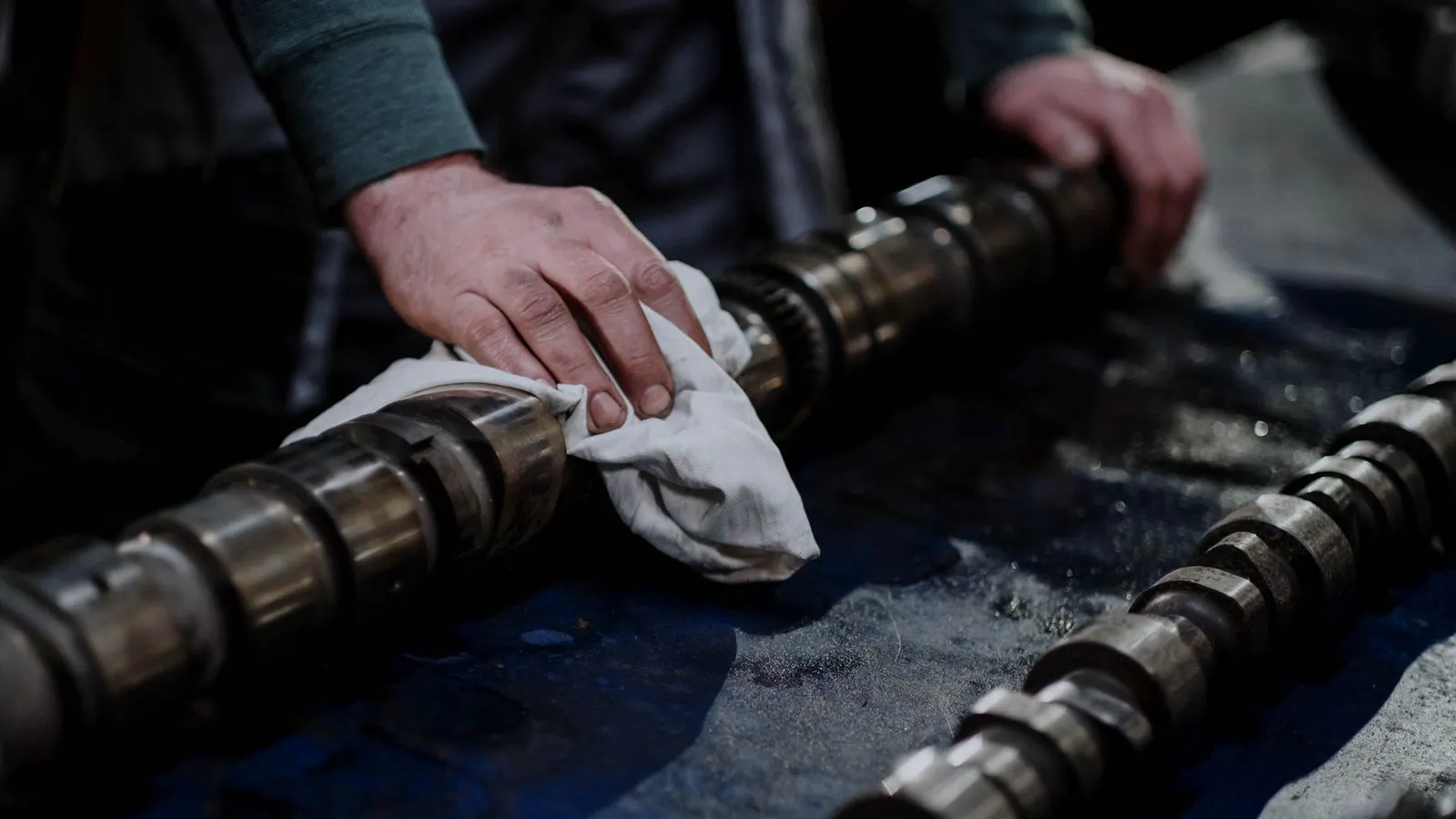
Cleaning a corroded bearing is a careful process. The goal is to remove rust without damaging the steel surface or the grease. Start with the outer surface. Use a lint-free cloth and a light machine oil or a dedicated bearing cleaner. Work from the outside in. Do not use abrasive pads or wire brushes, as these can scratch the raceway and create new stress points.
For pitting, the approach is different. If the pitting is shallow and limited to the outer surface, you may be able to clean it and apply a protective oil. If the pitting is deep or on the raceway, the bearing may not be safe for service. A pitted raceway changes the load distribution. The rolling elements will strike the pits repeatedly, creating impact loads that accelerate wear.
After cleaning, inspect the bearing under good light. Look for discoloration, swelling, or cracking in the seals. Check the grease for milky appearance or separation. If the grease is contaminated, the bearing may need to be regreased or replaced. In many cases, if the grease is affected, the internal surfaces are likely affected too.
Before reusing a corroded bearing, run a basic functional check. Spin it by hand and listen for noise. A healthy bearing should rotate smoothly with no grinding or clicking. If you hear noise or feel roughness, the bearing is likely damaged and should be quarantined.
Preventing rust and inventory damage in storage
Prevention is far cheaper than remediation. The first step is to control the storage environment. Keep bearing storage areas dry. Use dehumidifiers if the area is prone to condensation. Monitor relative humidity and temperature. Even small fluctuations can cause condensation on metal surfaces.
Packaging matters. Use moisture-barrier packaging for stored bearings. Individual wrappers that contain a desiccant or rust inhibitor are effective. Avoid storing bearings in open trays or on bare shelves. If you must use trays, line them with a moisture-resistant material.
Apply a thin film of protective oil to the bearing surface before storage. This creates a barrier between the steel and the air. The oil should be compatible with the grease already inside the bearing. Do not apply too much oil, as excess can attract dust and make the next cleaning step more difficult.
Handle bearings with care. Use clean gloves when moving or inspecting bearings. Avoid bare-hand contact with the raceways and rolling elements. Store bearings in their original packaging or in individual containers as long as possible.
Building a routine for stored bearing inventory
A simple routine can prevent most corrosion problems. At minimum, inspect stored bearings every three to six months, depending on the storage environment. In humid or coastal areas, increase the frequency. During inspection, check for condensation, packaging integrity, and visible surface changes.
Keep a log of inspections. Record the date, the location, the condition, and any corrective actions taken. This log becomes part of your quality record. If a problem appears, the log helps you trace the cause. It also supports vendor-neutral quality checks and helps you verify whether a bearing is still fit for service.
When you receive new bearings, inspect them before putting them into storage. Check the packaging for moisture or damage. If the packaging is compromised, clean and protect the bearing before storing it. This step prevents new stock from entering your inventory with an existing problem.
If you store bearings for long periods, consider rotating inventory. Use older stock first. This reduces the time bearings sit in storage and lowers the risk of corrosion. In high-torque industrial applications, where bearings are expensive and downtime is costly, this rotation strategy is especially valuable.
When to replace a corroded bearing
Not all corroded bearings are salvageable. The decision to replace depends on the severity of the damage and the application. If the raceway is pitted, the bearing is likely not fit for service. The geometry has changed, and the bearing will not perform as designed. Replacing it is the safest option.
If the corrosion is only on the outer surface and the raceway is clean, the bearing may be reused after cleaning and re-oiling. In non-critical applications, this is often acceptable. In high-torque or safety-critical applications, the standard is stricter. Any visible corrosion may be grounds for replacement.
Do not guess. If you are unsure, consult a bearing manufacturer or a certified inspection service. They can assess the damage and advise whether the bearing is still within tolerance. This is especially important when the bearing is part of a larger system where failure would cause downtime or damage to other components.
Final thoughts on bearing corrosion control
Bearing corrosion is a manageable problem if you address it early. The key is to understand the causes, identify the symptoms, and apply the right fix. Moisture, poor packaging, and chemical exposure are the main drivers. A routine of inspection, proper storage, and careful handling will prevent most inventory damage.
Treat stored bearings as part of your quality system. Document damage, separate affected stock, and maintain a log. This approach protects your inventory and supports vendor-neutral quality checks. A well-stored bearing is a reliable bearing. A corroded bearing is a risk that can lead to failure, downtime, and higher costs.
Frequently asked questions
Can a bearing with light rust on the outside still be used?
Often, yes, if the rust is only on the outer surface and the raceway is clean. Clean the bearing, apply protective oil, and inspect the inner surfaces before reuse. If the raceway is pitted, replace the bearing.
What is the fastest way to prevent rust on stored bearings?
Store bearings in dry conditions with moisture-barrier packaging and apply a thin film of protective oil before storage. This combination is the most effective defense against bearing corrosion.
How do I know if corrosion has reached the grease?
Look for milky grease, separation, or a change in color. If the grease is contaminated with water, the internal surfaces are likely affected too. In many cases, the bearing should be replaced.
Should I use a wire brush to remove rust from a bearing?
No. Wire brushes and abrasive pads can scratch the raceway and create new stress points. Use a lint-free cloth with light oil or a dedicated cleaner instead.
How often should I inspect stored bearings?
Inspect stored bearings every three to six months, or more frequently in humid or coastal environments. Document the inspection and take corrective action if you find condensation or surface changes.