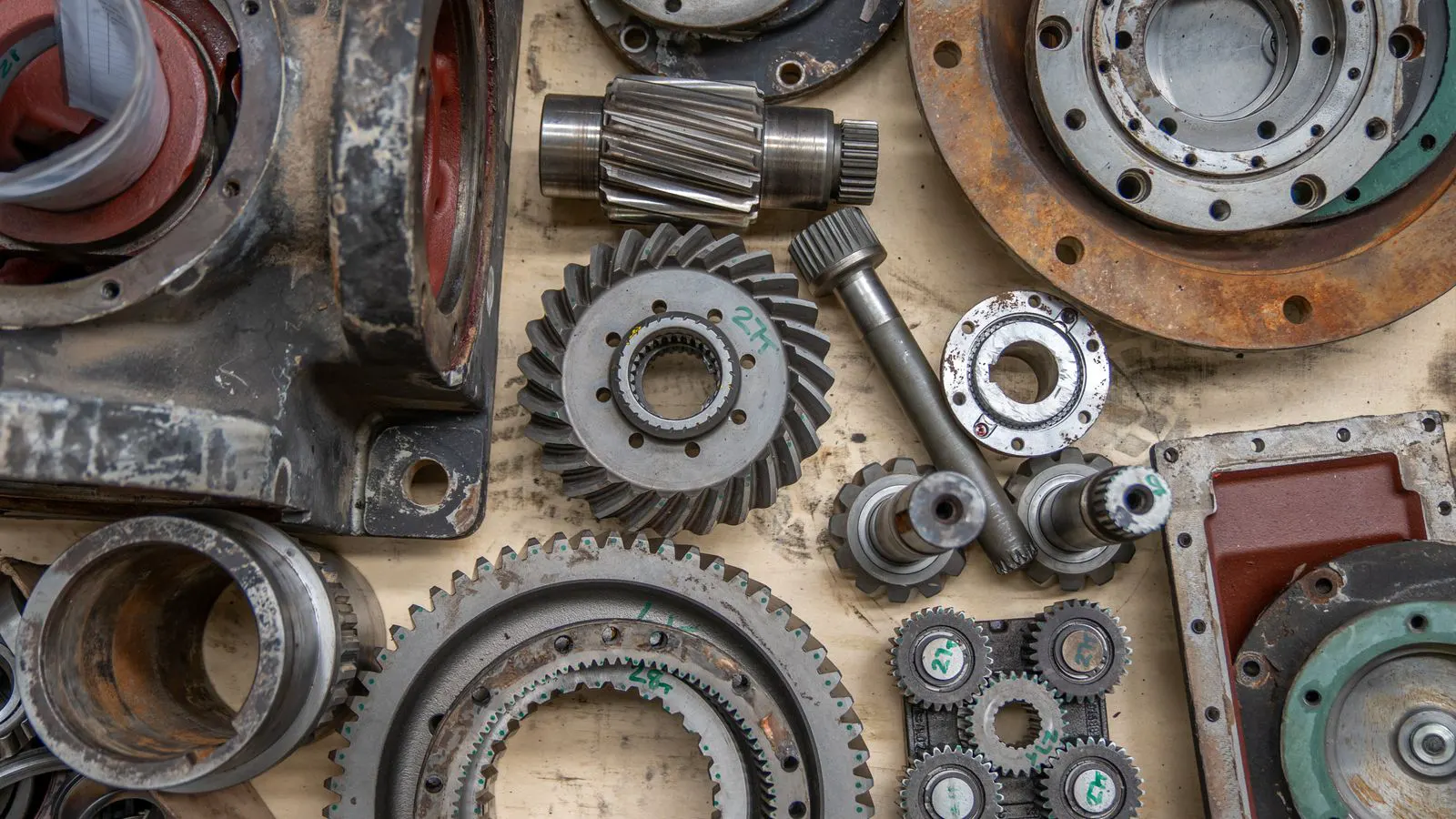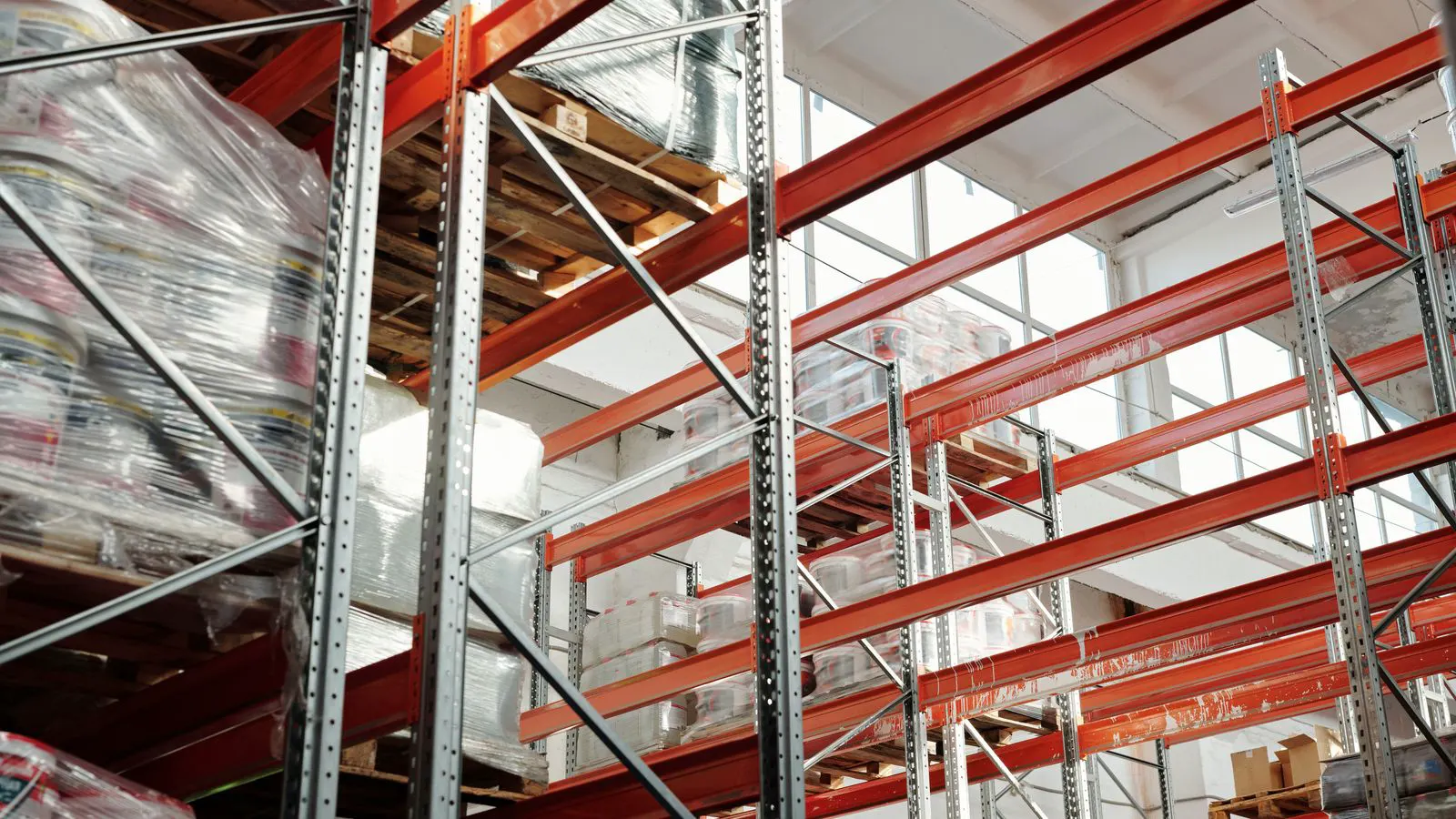
Bearing imports for heavy duty roller bearings depend on material grade, size, certification, and freight. Lead times vary by region and stock availability. A clear RFQ with exact dimensions and duty cycles reduces quote variation and delivery risk.
- Material grade, size, and certification standards drive most price differences in bearing imports.
- Lead time is affected by production capacity, freight routing, customs clearance, and regional stock.
- A clear RFQ with dimensions, load ratings, and delivery requirements improves quote accuracy.
- Compare quotes by total landed cost, not just unit price, to avoid hidden fees and delays.
- Track supplier performance with delivery dates, quality documentation, and communication response times.
What Drives the Price of Bearing Imports
The price of imported roller bearings is not just a function of size. A single unit can differ in cost by a large margin based on material, tolerances, and the documentation required for your market. Procurement teams often focus on the unit price first, but that approach misses the variables that change the total cost.
Material grade is the first cost driver. High carbon steel is common for standard industrial applications. Stainless steel or special alloys increase the cost, particularly for bearings used in chemical processing, food service, or marine environments. The alloy choice affects corrosion resistance and fatigue life, which changes the expected service interval.
Tolerances and precision class also affect pricing. Bearings with tighter dimensional tolerances require more processing and inspection. If your application requires a specific precision class, state it clearly in the request for quotation. A generic request will often result in a quote for a standard class, which may not fit your assembly requirements.
Certification is another major factor. Some markets require specific quality management certificates, material test reports, or origin documents. If your country or industry sector requires these documents, the supplier must produce them. This adds administrative and testing time, which can raise the price.
How Lead Time Is Determined for Roller Bearing Imports
Lead time is the sum of several phases. It includes supplier production time, quality inspection, export packaging, freight transit, customs clearance, and final delivery. Each phase has its own variables, and a delay in one stage extends the whole schedule.
Supplier production capacity is the first variable. Some manufacturers run continuous production lines for standard sizes. Other suppliers build to order, especially for large diameter roller bearings or custom configurations. If the required size is not in stock, the supplier may need to cast, heat treat, and grind the inner and outer rings. This adds weeks to the timeline.
Freight routing is the second variable. Ocean freight is slower but cheaper. Air freight is faster but costs significantly more. The route also affects transit time. A direct shipment from a major port may take less time than a route with multiple transshipments. Port congestion and weather can also extend delivery.
Customs clearance is the third variable. This depends on the importing country and the destination port. Incorrect documentation, missing certificates, or classification errors can hold cargo at customs. A delay here can be measured in days or weeks, which is why the RFQ must specify all required documents.
How to Write a Clear RFQ for Bearing Imports
A clear RFQ reduces back-and-forth and helps you compare quotes fairly. Vague requests lead to quotes for different specifications, which makes comparison difficult. The RFQ should include the exact part or drawing reference if available.
If you do not have a drawing, list the dimensions of the inner diameter, outer diameter, and width. Also specify the roller type, such as cylindrical, spherical, or tapered. Include the load ratings and speed limits. If the bearing must handle shock loads or high temperatures, state that explicitly.
The RFQ should also define the quality requirements. List the material, heat treatment, surface finish, and any required certifications. Specify the quantity per order and the total annual volume. Include the required delivery date and the Incoterms, such as FOB, CIF, or DDP.
Finally, ask for a breakdown of the price. A quote that shows the cost of the bearing, packaging, documentation, and freight is easier to evaluate than a single total. This transparency helps you identify where one supplier is cheaper and where another may be more expensive due to added services.
How to Compare Quotes Fairly
Comparing quotes requires looking at the same items. If one supplier quotes a bearing in a standard box and another quotes it in a crate, the packaging cost will differ. If one quote includes export documentation and the other does not, the total cost will not be the same.
Normalize the quotes by converting them to landed cost. This includes the unit price, packaging, inland freight to the supplier, export clearance, ocean or air freight, insurance, and import duties. Some suppliers offer DDP pricing, which includes delivery to your facility. Others offer FOB pricing, which ends at the export port. You must account for the remaining costs yourself.
Check the lead time against the production schedule. A lower price is not useful if the delivery date is too late. Ask for a realistic lead time based on current production load. If a supplier cannot confirm a date, request a range. A range is more honest than a single date.
Also compare the payment terms. Some suppliers require a full prepayment. Others offer a deposit with the balance against the bill of lading. Payment terms affect your cash flow and your use in negotiations. A supplier with strict payment terms may not be flexible on price or delivery.
Cost Drivers in Heavy Duty Roller Bearing Imports
The table below lists the main factors that affect the cost of imported roller bearings. Use this table as a checklist when reviewing quotes. Each row shows a driver and its typical impact on price.
| Cost Driver | Typical Impact |
|---|---|
| Material grade | Higher cost for stainless, ceramic, or special alloys |
| Precision class | Tighter tolerances increase machining and inspection time |
| Size and weight | Larger diameters and heavier units raise material and freight cost |
| Certification requirements | Extra testing and documentation increase administrative cost |
| Quantity per order | Larger orders reduce unit cost but increase inventory risk |
| Freight mode | Air freight costs more but shortens delivery time |
What to Check Before Placing an Import Order
Before you commit to a supplier, verify their production capability. Ask for recent production data for similar parts. If the supplier has shipped heavy duty roller bearings to your region, ask for the part number and the delivery date. This confirms they have experience with your requirements.
Check the quality control process. Ask how they test the bearing after assembly. Common checks include dimensional inspection, hardness testing, and runout measurement. If your application is critical, request a sample lot for inspection before the full order. This reduces the risk of a defective shipment.
Confirm the packaging method. Heavy duty roller bearings are often shipped in crates with foam or wood supports. The packaging must protect the rollers and rings during transit. If the bearing is sensitive to moisture, ask for a desiccant pack and a sealed container.
Verify the customs documentation. The supplier should provide the commercial invoice, packing list, bill of lading, and certificate of origin. If your country requires a material test report or a quality certificate, include it in the RFQ. Missing documents are a common cause of customs delays.
Practical Steps to Reduce Import Costs and Lead Times
Ordering in larger batches can reduce the unit cost. However, it also increases storage and capital tied up in inventory. Balance the cost saving against the risk of obsolescence. If the bearing specification is stable, a larger order may be justified.
Use a reliable freight forwarder. A forwarder with experience in industrial parts can optimize the route and manage customs clearance. They can also flag documentation issues before they become delays. This reduces the chance of cargo sitting at a port.
Build a buffer into your lead time. Do not plan the production schedule around the earliest possible delivery date. Add a margin for port congestion, weather, or supplier delays. A buffer protects your production line from a late arrival.
Maintain a relationship with the supplier. A good supplier will flag issues early and offer alternatives. If a size is out of stock, they may suggest a substitute or a partial shipment. Regular communication reduces surprises and helps you adjust the schedule before a problem becomes a failure.
How to Track Delivery and Performance
After the order is placed, track the shipment at each major milestone. Confirm the production start date, the quality inspection date, the export shipment date, and the arrival date at the destination port. Use a tracking number for the freight and check it regularly.
When the bearing arrives, inspect the packaging for damage. Check the quantity and the part numbers against the packing list. If there is a discrepancy, document it immediately and notify the supplier. Do not accept a partial or damaged shipment without a formal agreement.
Keep records of each order. Store the RFQ, the quote, the delivery note, and the quality certificates in a digital folder. This record helps you compare future quotes and identify suppliers who consistently meet the requirements. It also supports claims if a quality issue appears in the field.
Review performance after each quarter. Look at on-time delivery, quality pass rate, and communication response time. A supplier who delivers late or sends defective parts will cost more in downtime and rework. Use this data to adjust future orders and supplier selection.
Final Considerations for Procurement Managers
Bearing imports are a combination of technical specification, logistics, and supplier management. The price is not the only factor to consider. The total landed cost, the delivery reliability, and the quality documentation all affect your operations. A lower unit price can lead to higher costs if the bearing fails early or if the delivery delay stops a production line.
Use the RFQ as a tool for clarity. A well written request reduces ambiguity and helps you compare quotes on the same basis. Focus on the total cost and the delivery date, not just the number on the invoice. This approach leads to better decisions and fewer surprises in the supply chain.
Frequently asked questions
What is the typical lead time for imported roller bearings?
Lead time depends on production status, freight mode, and customs clearance. It can range from a few weeks for in-stock items to several months for custom or large diameter bearings.
How does material grade affect bearing cost?
Standard high carbon steel is the most common and cost effective. Stainless steel, ceramics, or special alloys increase the price due to material cost and additional processing or testing.
Can I compare quotes from different suppliers directly?
No. You must normalize the quotes to the same basis. Ensure they include the same material, precision, packaging, documentation, and landed cost. A low unit price may hide higher freight or administrative fees.
What documents are required for bearing imports?
Common documents include the commercial invoice, packing list, bill of lading, and certificate of origin. Your country or industry may also require material test reports or quality certificates.
How can I reduce the risk of a late delivery?
Build a buffer into your production schedule, use a reliable freight forwarder, and track the shipment at each milestone. Maintain communication with the supplier to flag delays early.