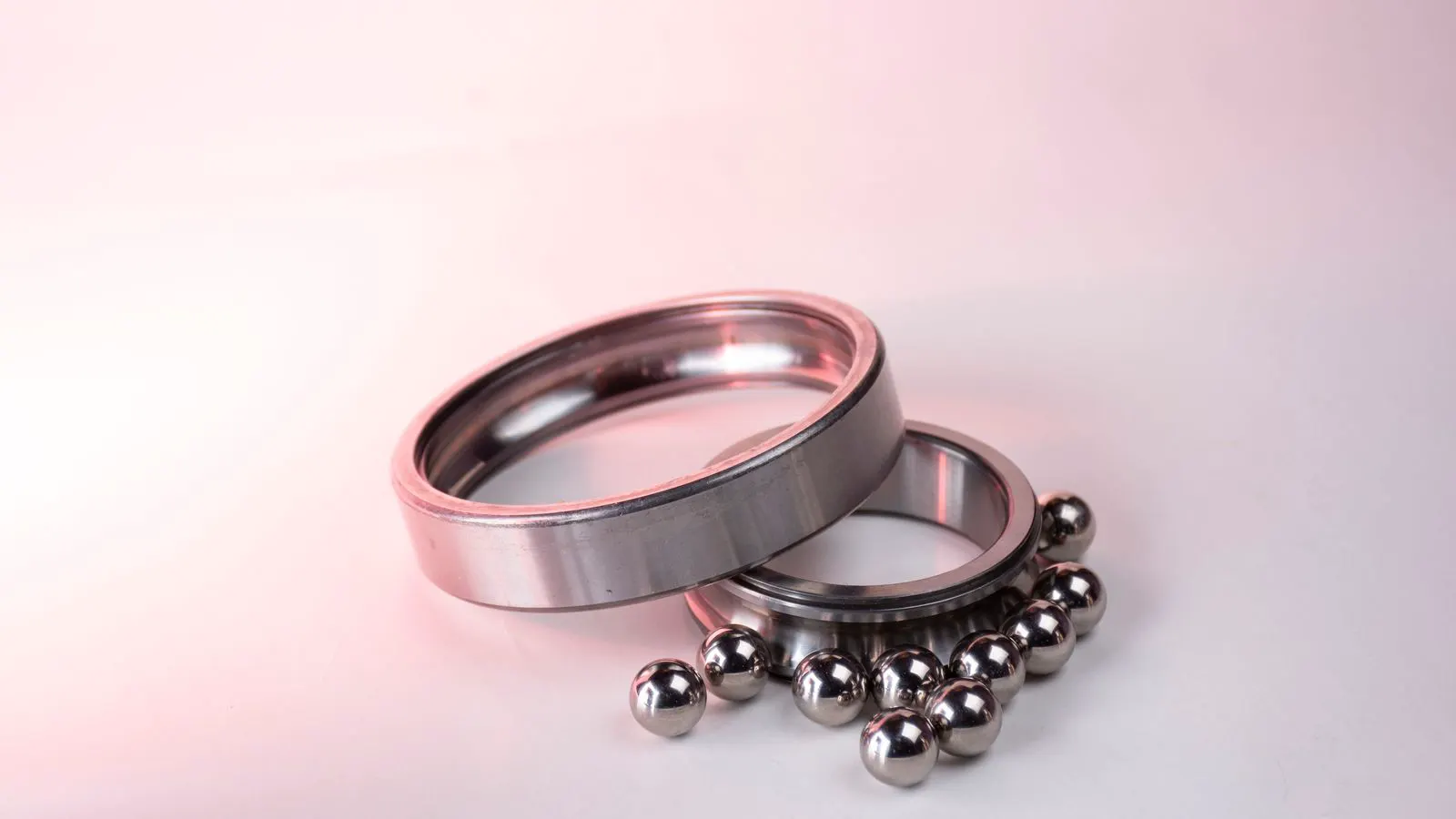
To verify bearing supplier certification, request the physical certificate, confirm the registrar via their public database, cross-check the product scope, and review the last audit date. This four-step process filters out fraudulent claims and ensures genuine quality assurance compliance.
- Request the physical certificate and cross-check the issuer using the registrar's public database.
- Verify the certificate scope covers your specific bearing types and production processes.
- Review audit frequency and corrective action records to gauge the supplier's ongoing commitment.
- Document every verification step to meet internal procurement compliance and audit trail requirements.
Why Verification Matters Before You Order
A supplier certificate looks the same on paper, but the reality behind it can vary widely. Procurement teams that rely solely on a PDF attachment in an email often inherit significant supply chain risk. When a bearing fails in a critical assembly, the lack of documented supplier verification becomes the first point of inquiry.
You need to distinguish between a genuine quality management system and a superficial compliance exercise. The process of bearing supplier verification requires you to act as a detective, not just a buyer. You are looking for consistency between the claim, the record, and the physical production floor.
Prerequisites: What You Need Before You Start
Before you request documents, assemble your internal team. You will need your procurement manager, a quality engineer, and a technical buyer. Each role has a different perspective on what constitutes a valid supplier certification.
- Procurement Manager: Responsible for contract terms and payment conditions.
- Quality Engineer: Checks technical scope and audit findings.
- Technical Buyer: Confirms the specific bearing part numbers fall within the certified scope.
Ensure you have the supplier’s legal business name. This is often different from their trade name. A mismatch here is a common red flag for fraudulent certificates.
Step-by-Step Bearing Supplier Verification
Follow these steps in order. Each step builds on the previous one to create a complete verification trail.
-
Request the Original Certificate
Ask for the physical or secure digital copy of the ISO 9001 certificate. Do not accept a screenshot of a website or a verbal confirmation. You need the document that states the legal entity name, the certification body, and the issue date. If the supplier cannot produce this quickly, their internal records are likely disorganized. -
Verify the Registrar
Check the name of the certification body listed on the certificate. Go directly to that registrar’s official website. Do not use the link provided by the supplier. Search for the registrar’s name and confirm you are on their domain. Look for a public search tool or a database of certified organizations. -
Cross-Check the Certificate Number
Enter the certificate number into the registrar’s database. Confirm the certificate is active. If it is expired, suspended, or revoked, stop the evaluation. An expired certificate does not grant the supplier the right to claim current compliance. This step is the most critical part of bearing supplier verification because it prevents fraud. -
Analyze the Scope of Certification
The scope statement on the certificate is often long and dense. Read it carefully. Does it mention “manufacturing of rolling bearings”? Does it list the specific product families you need? If the scope only covers “office supplies” or “general consulting,” the certificate is irrelevant to your purchase. A supplier can be certified for one process and uncertified for another. -
Check the Audit Frequency
ISO 9001 requires surveillance audits. These are usually annual. Look at the last audit date in the registrar’s record. If the last audit was over eighteen months ago, the supplier has a gap in their compliance. This gap suggests they may have stopped investing in the system. A current audit date indicates the system is actively maintained. -
Review Audit Findings
Some registrars publish summaries of audit findings. Look for major non-conformances. A major non-conformance is a serious failure of the quality system. If a supplier has repeated major non-conformances, their quality assurance processes are not reliable. Minor observations are normal, but repeated major issues indicate a broken system. -
Confirm the Location
Verify that the address on the certificate matches the factory where your bearings will be produced. Suppliers often have multiple sites. The certificate may only cover the headquarters office. If your parts are manufactured at a subcontractor, you need proof that the subcontractor is also certified. -
Request the Last Surveillance Report
Ask the supplier to share the last internal or external audit report. You do not need every detail, but you need to see how they handled issues. A good supplier will show you how they corrected a defect or improved a process. A poor supplier may refuse to share anything or provide a report that looks generic. -
Conduct a Factory Visit
For high-risk or high-volume orders, schedule a site visit. Walk the floor. Look for the certificate posted in a visible location. Check if the production area is clean and organized. Talk to the line workers. If the system is real, the floor will reflect the discipline of the manual.
Common Mistakes in Supplier Verification
Teams often skip steps because they are under pressure to close a deal. These mistakes create downstream problems.
- Trusting the Vendor’s Website: A certificate posted on a website is easy to fake. It does not prove the certificate is valid or active.
- Ignoring the Scope: Assuming “ISO 9001” covers everything. It does not. The scope matters more than the logo.
- Skipping the Registrar Check: Relying on the supplier’s word that the certificate is valid. Always verify with the issuer.
- Confusing Certification with Quality: A certificate proves the system exists. It does not guarantee the product is perfect. You still need incoming inspection.
Table: Verification Checklist
Use this table to track your verification process.
| Check | Status | Notes |
|---|---|---|
| Certificate requested | ||
| Registrar identified | ||
| Certificate number verified | ||
| Scope reviewed | ||
| Last audit date confirmed | ||
| Address matched |
Final Verification Step
Once you have completed the steps above, compile your findings into a single document. This is your verification record. Include copies of the certificate, the registrar’s confirmation screen, and your notes on the scope review. This document protects your company during internal audits and external quality reviews.
Keep this record with the purchase order. If a quality issue arises later, you can prove you performed due diligence. You can show that you verified the bearing supplier verification process before committing to the order. This documentation is your defense against supply chain risk.
How to Handle Incomplete Information
Sometimes a supplier will not provide all the documents you request. Do not guess. Do not accept partial information. If a supplier refuses to share the certificate scope or the registrar details, treat this as a major red flag.
You can ask them to provide a direct link to the registrar’s public profile. If they cannot, or if the link does not match the certificate number, halt the process. A legitimate supplier with a real quality system will understand your need for verification. They will provide the information. If they do not, you are looking for a different partner.
When to Escalate
If you find a discrepancy between the certificate and the reality on the floor, escalate the issue immediately. Do not try to fix it with a verbal agreement. Document the gap. Request a corrective action plan from the supplier. If the supplier cannot provide a clear plan to close the gap, do not proceed with the order.
Your procurement compliance team will need this record. They will need to see that you identified the risk and took action. This is how you build a strong supply chain. It is not about trusting the supplier. It is about verifying their claims.
Building Long-Term Supplier Relationships
Verification is not just for the first order. It is for every order. Revisit the certificate every six months. Check the registrar’s database again. Ask for the latest surveillance audit summary. The system can change. The scope can be reduced. The address can change.
By keeping the verification process current, you stay ahead of supply chain issues. You can identify a supplier who is degrading before it affects your product. You can switch to a backup supplier before you are forced to. This proactive approach protects your production schedule and your quality standards.
Conclusion
Verifying bearing supplier certification is a practical task, not a bureaucratic one. It takes time, but it saves you from expensive failures. Use the steps above to build your verification trail. Check the registrar. Read the scope. Look at the audit dates. Keep the records.
You are not just buying a bearing. You are buying a process. If the process is not verified, you are buying a risk. Verify the supplier. Protect your supply chain.
Frequently asked questions
Can I accept a certificate sent via email?
Yes, but you must verify it. An email attachment is a claim, not proof. You must check the certificate number against the registrar's public database to confirm it is active and valid.
What if the certificate scope does not list my specific bearing type?
Do not proceed. The certification only covers the processes listed in the scope. If your product is not listed, the supplier is not certified for its production. You need a different supplier or a scope expansion.
How often should I re-verify the supplier?
Check the certificate status at least once a year. If the order value is high or the part is critical, check it before every new purchase order. This ensures the supplier has not lost certification in the meantime.
Can I rely on the supplier's website listing the certificate?
No. Websites can be hacked or contain outdated information. Always verify the certificate number with the issuing registrar directly. Do not trust a link provided by the supplier.
What is the difference between ISO 9001 and ISO 14001?
ISO 9001 is a quality management standard. It focuses on customer satisfaction and process control. ISO 14001 is an environmental management standard. For bearing procurement, ISO 9001 is the primary standard for quality assurance.